Best Gaming Products, Consoles & Accessories (September 2026)
Level up with the best gaming deals! Compare prices on consoles, controllers, headsets, and gaming accessories. Find the best deals across active listings.
Category picks are refreshed from active products and sorted by value, rating strength, and buyer intent fit.
Level up your gaming setup without maxing out your wallet! We compare prices on gaming consoles, accessories, and gear from active listings. Whether you're a PC gamer, console player, or mobile gamer, find the best deals on everything you need.
Top 20 Best Gaming Products

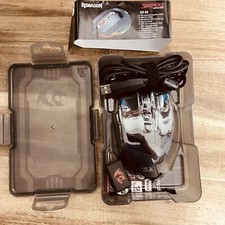


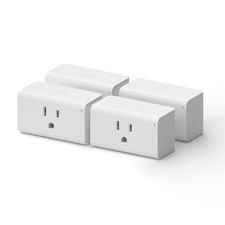
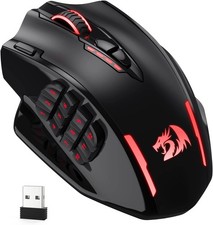


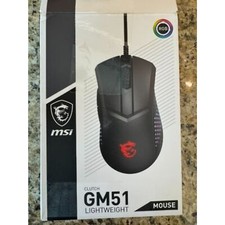




💡 Expert Buying Tips for Gaming
- Check compatibility with your gaming platform before buying
- Compare response times and refresh rates for monitors
- Read reviews about comfort for headsets and chairs
- Look for warranty coverage on expensive gaming gear
- Consider wired vs wireless based on your gaming needs
Frequently Asked Questions
Related Pages
All Gaming Products Shopping Guides Today's Best Deals Set Price Alerts Best Electronics Best Fashion Best Home Best Kitchen Best Beauty Best Sports Best Toys Best Jewelry Best Baby Best Automotive Best GiftsRead more: best products guide and comparison method
Best Products Guide: How To Choose Better, Not Just Cheaper
"Best product" means different things for different shoppers. For one person, best means lowest total cost. For another, it means stronger durability, fewer returns, and better long-term value. This page is designed to help you make that decision with more confidence. Instead of relying on one store ranking or one influencer list, compare current listings, read practical product details, and verify quality signals that matter for real use.
Start by defining your use case in one sentence. For example: "I need headphones for daily calls in noisy places" or "I need a kitchen appliance that is easy to clean and used every day." This step sounds simple, but it prevents expensive mistakes. Many products look attractive because of trendy features, not because they solve your specific problem. Once your use case is clear, filtering decisions become easier and faster.
Second, compare products in three value tiers. Build a shortlist with one budget option, one balanced option, and one premium option. This gives you context for trade-offs. A budget item might win on price but lose on reliability. A premium item might add features you do not need. The balanced option often gives the best overall value for most people, especially when you consider return friction, accessory costs, and expected product lifetime.
Third, read reviews with a quality lens. Star ratings are useful, but review context is more important. Look for specific, experience-based comments: "used for 4 months," "fits this laptop size," "battery lasted two workdays," or "arrived with missing part." Specific reviews are more predictive than generic praise. Also watch for review volume: a 4.4 rating with many real reviews is usually more trustworthy than a 5.0 rating with very few signals.
Fourth, check total ownership cost, not just checkout price. A product that costs slightly more today can be the cheaper choice over time if it lasts longer, has better support, and avoids replacement cycles. Think about accessories, shipping, consumables, and maintenance. For frequently used products, reliability usually beats a small one-time discount. For low-risk, low-use purchases, lower price can be the right move if the listing quality is still acceptable.
Fifth, verify compatibility and practical constraints before purchasing. In electronics, confirm ports, system compatibility, and voltage or charging standards. In fashion, check sizing notes and material details. In home products, check dimensions, weight, and assembly complexity. In beauty, inspect ingredient lists and skin-type context. A large share of avoidable returns happen because buyers skip this step, especially when a product is trending and decision speed feels urgent.
Sixth, use timing as a strategy. Prices move. If you are not in a rush, create a short shortlist and revisit after a few days or set a price alert. The best purchase decision is often not the fastest one. A small waiting window can improve your final value significantly, especially in electronics, accessories, gaming gear, and seasonal categories. The goal is not to chase every discount. The goal is to buy the right product at a fair current price.
Seventh, choose trustworthy listing structure over flashy wording. Clear titles, detailed specs, realistic images, and transparent return information are better signals than aggressive promotional text. If product information is vague, confusing, or inconsistent, treat that as risk. Strong listings reduce ambiguity and improve post-purchase satisfaction. Weak listings often create surprise issues that cost time and money later.
Finally, use a repeatable workflow: define need, shortlist by value tier, compare details, validate quality, and then decide. This repeatable process helps you make better buying choices across all categories, not just one product page. It also makes price comparison more effective because you are comparing relevant options, not random options. Over time, this approach leads to fewer returns, better product fit, and more consistent savings.
Use category pages for broad exploration, use this page for high-intent shortlisting, and use product pages to confirm details before checkout. When these steps are combined, you are no longer guessing what is "best". You are making a structured decision based on real value. That is the purpose of NexaWeb's best products workflow.