
Tablet Stand Adjustable,Foldable Arm Stand for Bed,Aluminum Universal Flexible Tablet Holder with 360 Degree Rotation Compatible with iPad/iPhoneX/iPad Pro/N-Switch,or Other 4.5~12.9 Inches Devices Black
USD 19.99
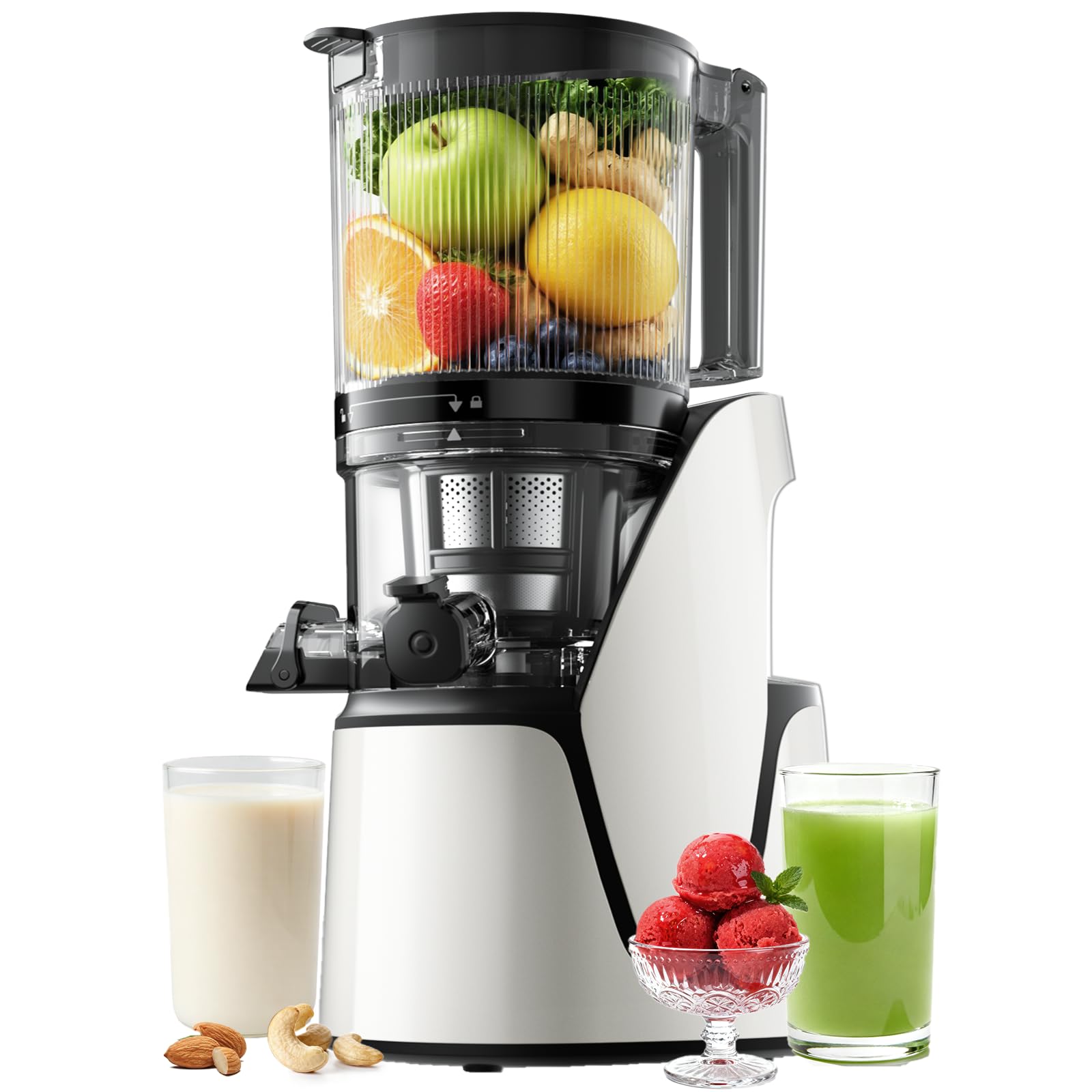
EanOruus Slow Juicer, 3-in-1 Masticating Juicer with 6.5" Extra-Wide Feed Chute, 100oz Large Capacity, Powerful AC Motor, Ideal for Juice, Nut Milk & Sorbet, Bright White
USD 149.99
USD 219.99
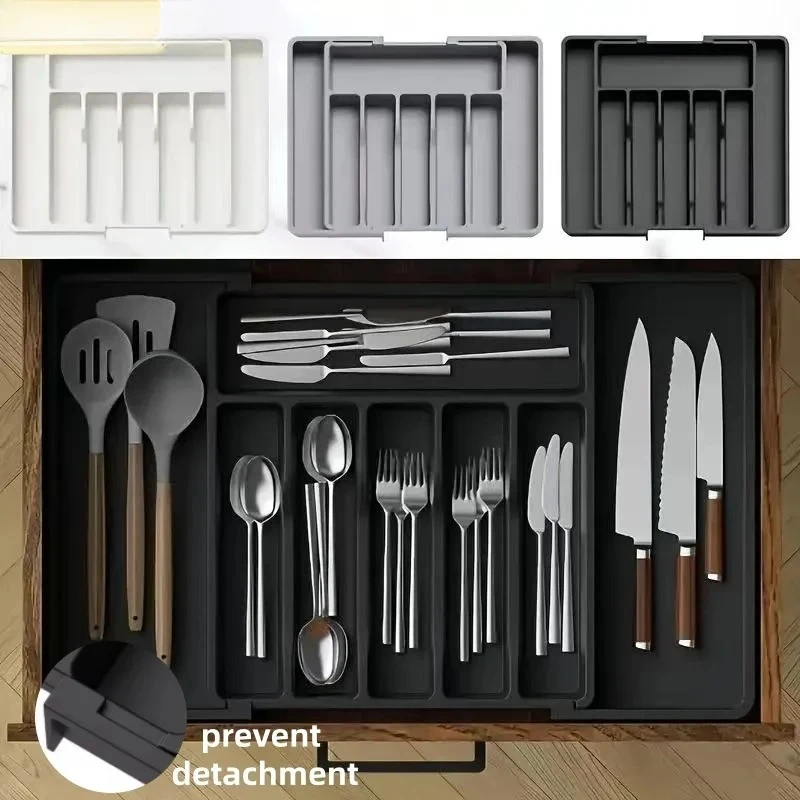
1Pcs Upgradation Adjustable Flatware Tableware Organizer – Plastic Multifunctional Drawer Organizer for Kitchen Counter Utensils
USD 25.75
USD 51.50
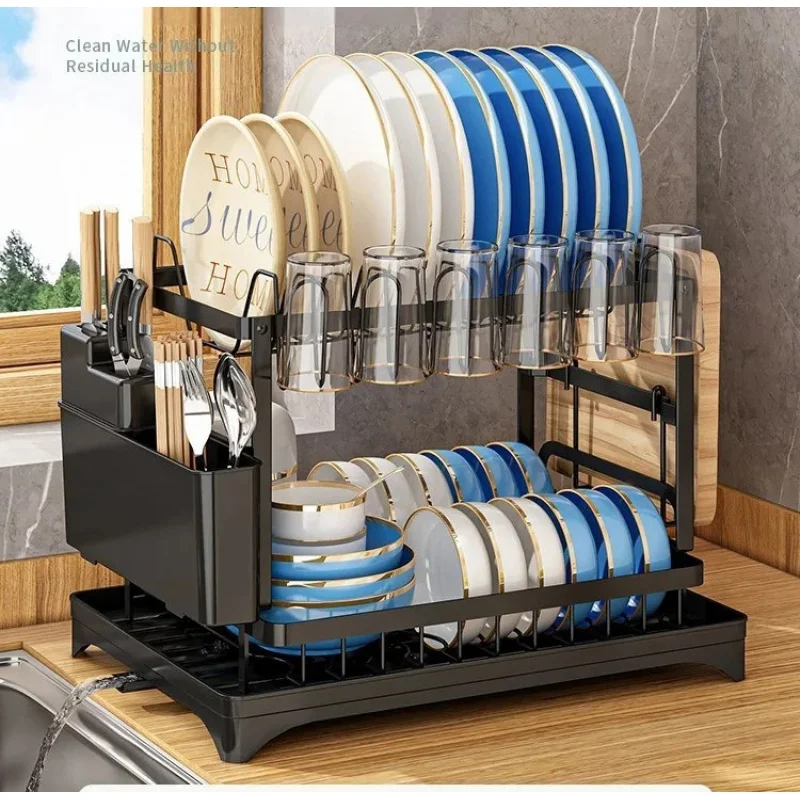
Stainless Steel Dish Rack | Fast-Drying & Stain-Free | Heavy-Duty Carbon Steel Frame | Space-Efficient Kitchen Organizer
USD 53.85
USD 107.70

4/8Pcs Wooden Handle Stainless Steel Measuring Cups Spoons Baking Tools Coffee Measuring Spoon Set Bartending Scale Accessories
USD 17.94
USD 35.88
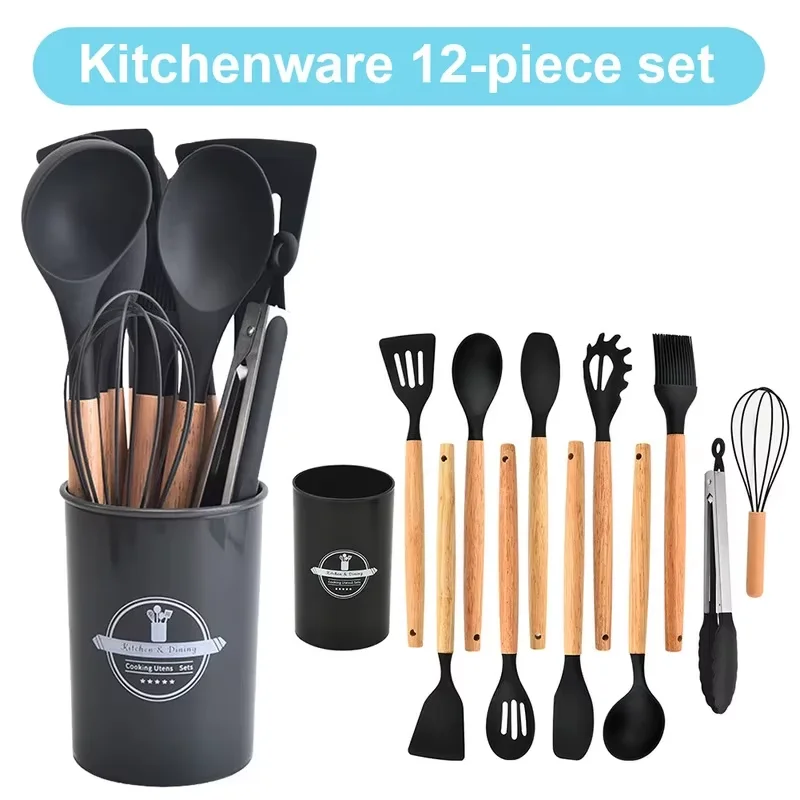
12Pcs Kitchen Utensil Set Silicone Spatula Set Wooden Handle Cooking Tools Kit with Holder Heat-Resistant Cookware for Kitchen
USD 37.97

GreenLife 12" 5QT Square Electric Skillet, Glass Vented Lid, Ceramic PFAS-Free Nonstick Interior, Adjustable Temperature Control, Cool Touch Handles, Quick Even Heating, Scratch Resistant, Turquoise Turquoise 5QT Skillet
USD 49.99

COSORI Pro Gen 2 Air Fryer 5.8QT, Upgraded Version with Stable Performance & Sleek New Look, 13 One Touch Functions, 100 Paper & 1100 Online Recipes, Dishwasher-Safe Detachable Square Basket, Black
USD 72.99
USD 119.99
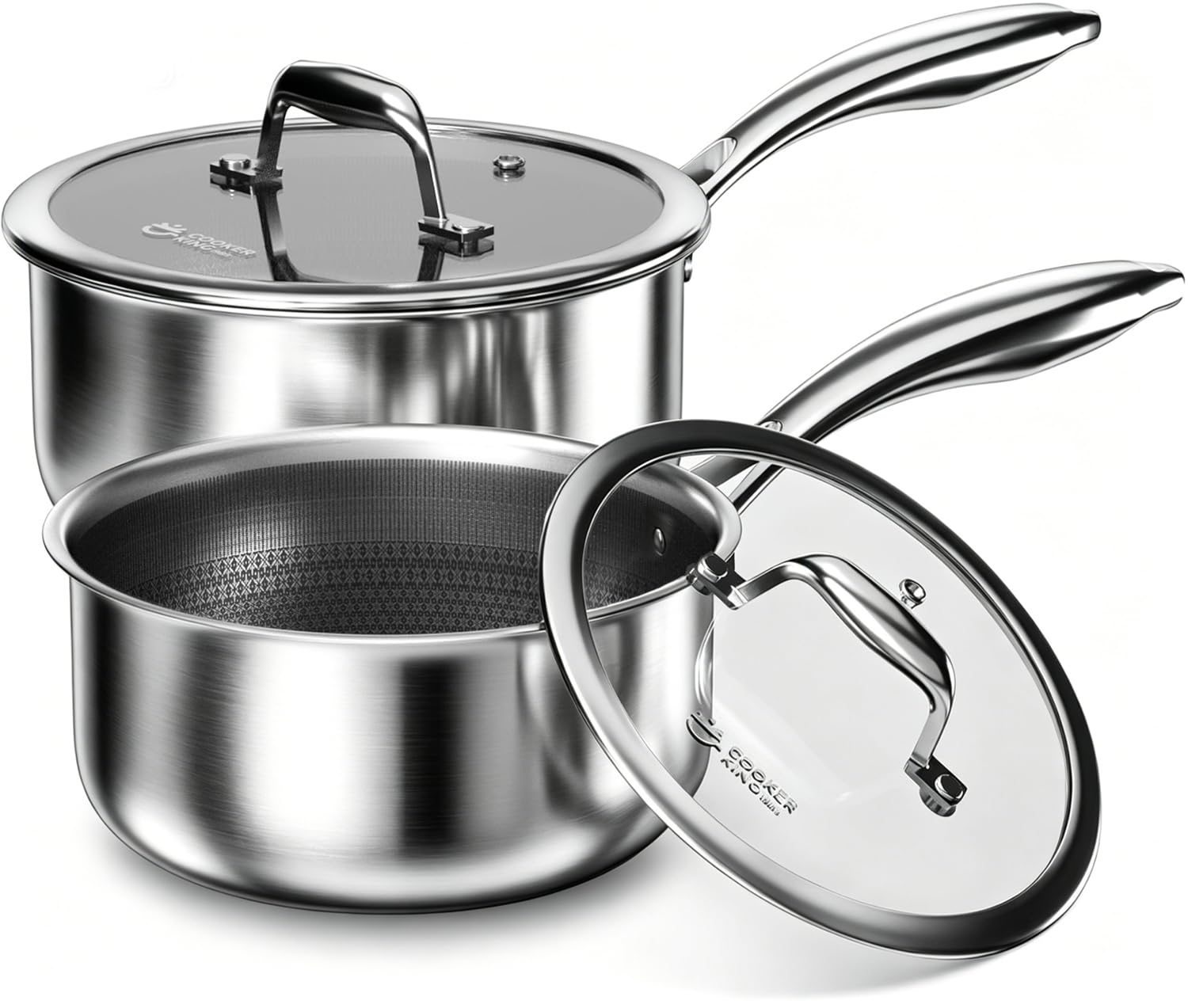
COOKER KING Sauce Pan Set, 1.5 QT & 2 QT Saucepan with Lid, Hybrid Ceramic Nonstick Saucepan, non stick Sauce pot, Stainless steel Cookware, Induction Compatible (PFAS/PFOA/PTFE Free)
USD 47.59
USD 69.99

Cuisinart Can Opener with One-Touch Operation, Electric Can Opener for Kitchen Including Magnetic Lid Holder, Automatic Can Opener with Easy Clean Design and Nonslip Base, Black, CCO-50BKN
USD 19.95

Cuisinart Ice Cream Maker Machine, Fully Automatic, Stainless Steel, 2 qt
USD 99.95

Cuisinart Ice Cream Maker Machine, Ready in 20, 1.5 qt Freezer Bowl
USD 69.95

Cuisinart Ice Cream Maker Machine, 1.5 Quart Double Insulated Machine, Sorbet and Frozen Yogurt Maker, Ready in 20 Minutes, ICE-21RP1, Red
USD 69.95

Cuisinart Griddler Indoor Grill, Panini Press, Sandwich Maker & More, 5-in-1 Grilling, Dishwasher-Safe Nonstick Cooking Plates, GR-4NNAS, Stainless Steel
USD 129.95

Cuisinart Waffle Maker, 1250W Round Classic Waffle Iron, 5-Setting Adjustable Browning Control, WMR-CAP2, Brushed Stainless
USD 30.99

Cuisinart 15-Piece Stainless Steel Hollow Handle Block Set, C77SS-15PK | Kitchen knife set with high-carbon stainless steel blades, sharpening steel, household shears & wooden block, C77SS-15PK
USD 99.95

Cuisinart C55-01-12PCKS Collection 12-Piece Knife, Multicolor Advantage-Cutlery-Set, Multi-colored
USD 23.99

Cuisinart 15-Piece Knife Set with Block, High Carbon Stainless Steel, Forged Triple Rivet, White, C77WTR-15P
USD 95.19

Ninja® Everyday PossibleCooker™ Pro, 6.5-qt, Midnight Blue, MC1101
USD 129.99

Cuisinart Mixing Bowl Set, Nesting Bowls, Stainless Steel, 3-Piece | 1.5, 3 & 5 qt. stainless steel mixing bowls for baking, cooking & prep, dishwasher safe, durable & compact, CTG-00-SMB
USD 39.99

Cuisinart Electric Griddler FIVE Countertop Grill, Enjoy 5-in-1 Functions Including Panini Press, LCD Display, Wide Temperature Range, and Sear Function, Nonstick Plates, GR-5NAS, Stainless Steel
USD 119.98
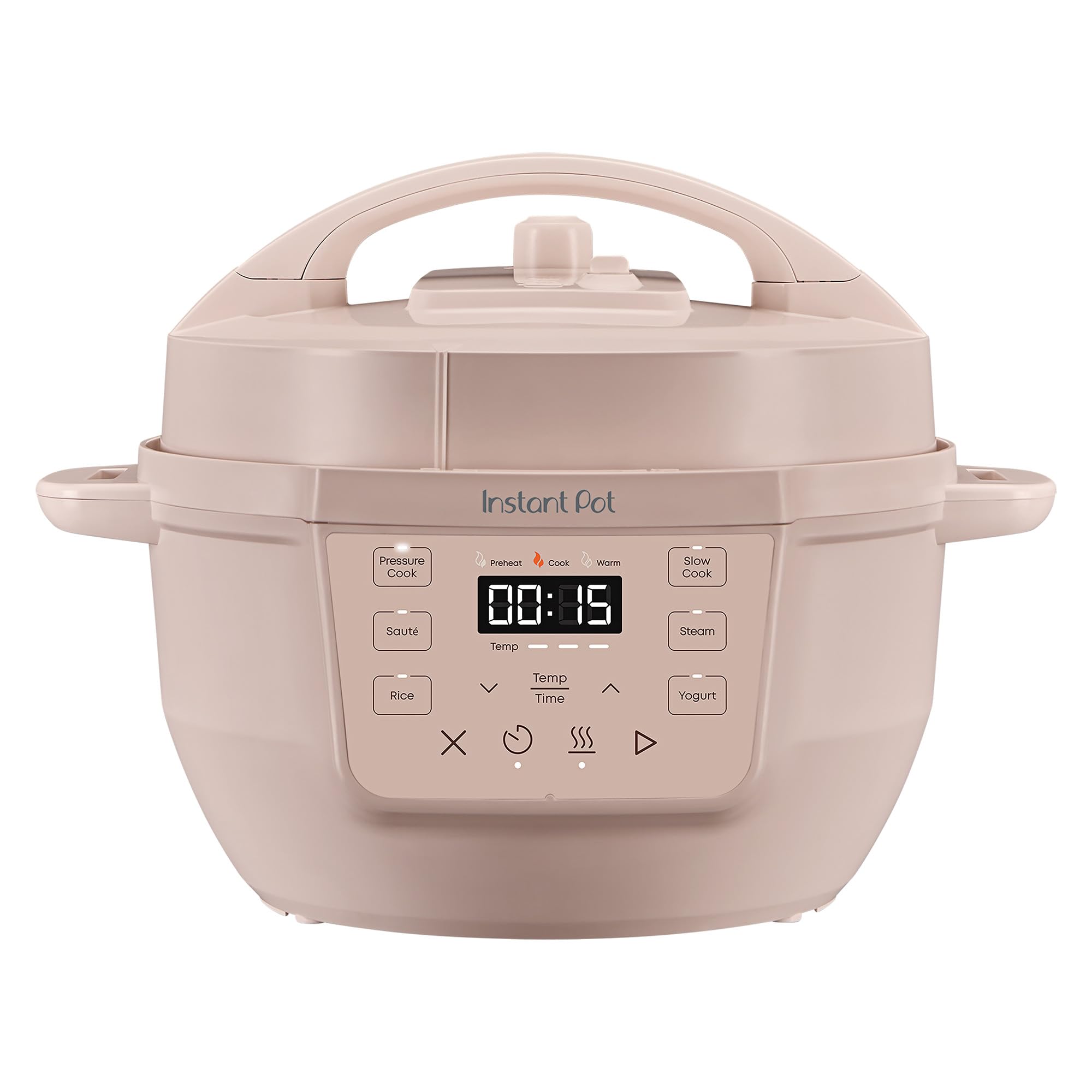
Instant Pot 4QT RIO Mini 7-in-1 Multi-Cooker, Pressure Cooker, Slow cook, Sauté, Steam, Rice Maker, Yogurt, & Warmer, Rosewater, 4 Quarts Rosewater 4 Quarts
USD 89.99

KitchenAid Classic Nonslip 2-Piece Plastic Cutting Board Set with Perimeter Trench and Non Slip Edges, 2-Piece Kitchen Chopping Boards, Dishwasher-Safe, White and Gray
USD 18.83
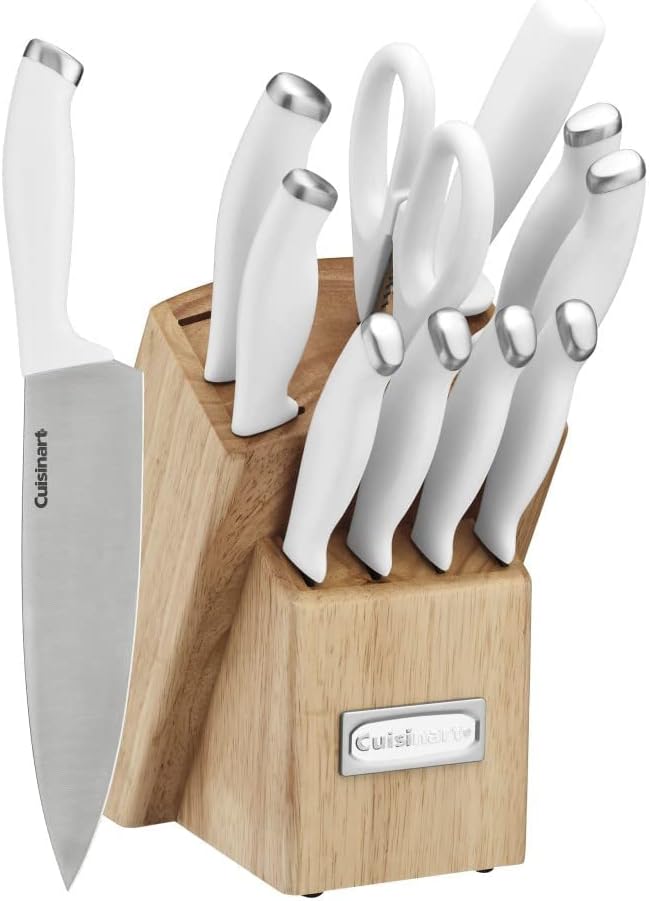
Cuisinart Block Knife Set, 12pc Cutlery Knife Set with Steel Blades for Precise Cutting, Lightweight, Stainless Steel, Durable & Dishwasher Safe, C77SSW-12P
USD 63.10

Cuisinart CSB-179 Smart Stick Variable Speed Hand Blender, Stainless Steel
USD 59.95

Ninja® Sizzle™ Indoor Grill & Griddle, 14'', 500°F, Grey/Silver, GR101
USD 149.95

KitchenAid Beacon Two-Tone Non-Slip Oven Mitt Set, Pistachio/Graphite Green, 5.75"x13", 2 Piece
USD 14.99

KITCHENAID Quilted Cotton Terry Cloth Oven Mitt, Pot Holder, Kitchen Towel 4-Pack Set, Heat Resistant, Silicone Grip, 16"x26", 7"x13" & 7"x10", Milkshake Tan
USD 29.60
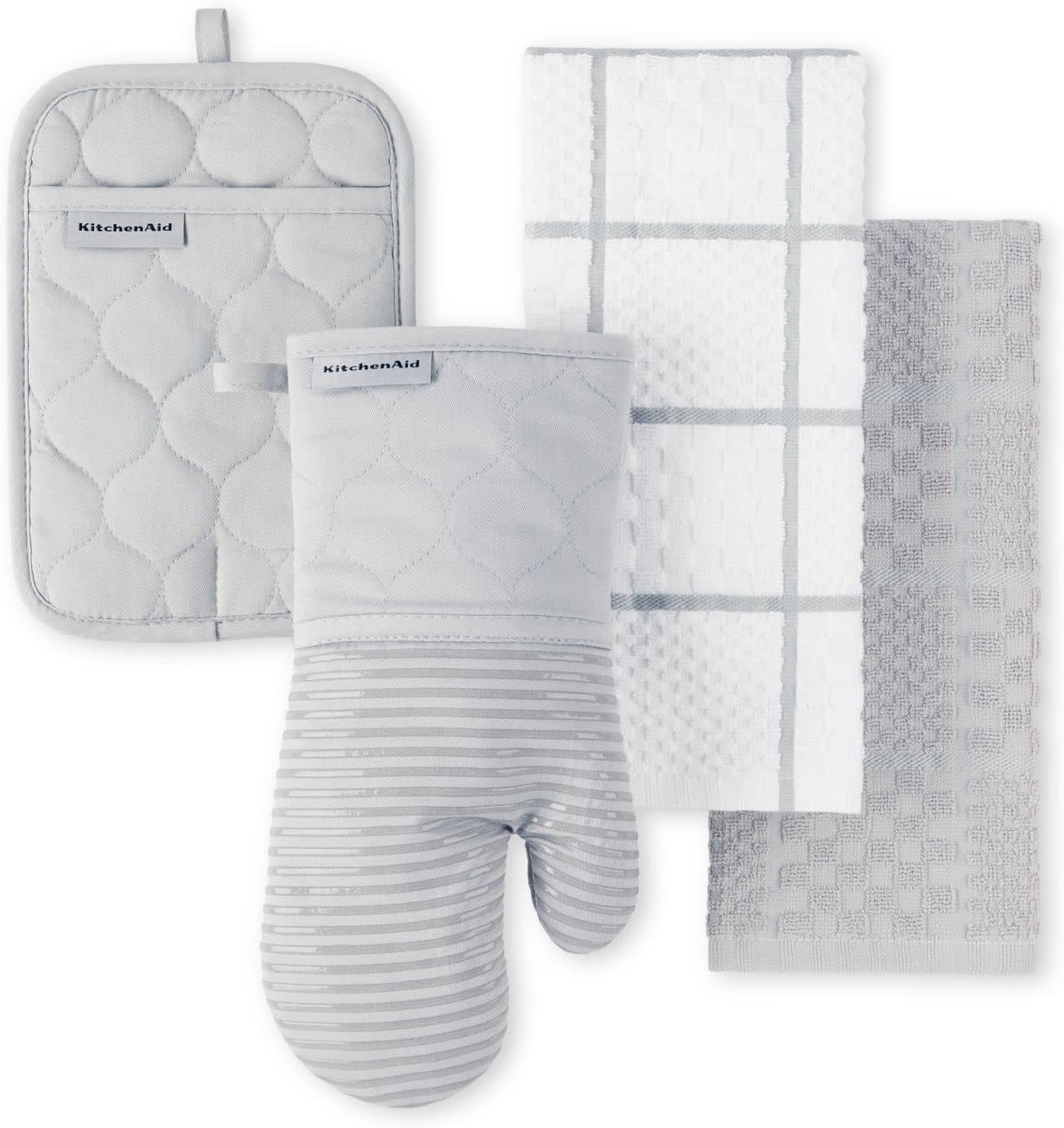
KITCHENAID Quilted Cotton Terry Cloth Oven Mitt, Pot Holder, Kitchen Towel 4-Pack Set, Heat Resistant, Silicone Grip, 16"x26", 7"x13" & 7"x10", Matte Grey
USD 22.33

KitchenAid Quilted Cotton Terry Cloth Oven Mitt, Pot Holder, Kitchen Towel 4-Pack Set, Heat Resistant, Silicone Grip, Gift Set, Charcoal Grey, 16"x26", 7"x13" & 7"x10"
USD 27.03

Cuisinart Automatic Frozen Yogurt-Ice Cream & Sorbet Maker (Pink)
USD 99.95

Ninja Immersion Blender & Whisk, 4 Speeds, 4oz Cup, Deep Navy, CI201ND
USD 79.99

KitchenAid KQ908 Glass Surface 11 Pound Capacity Digital Kitchen and Food Scale, Scale for Food Ounces and Grams, Dry and Liquid Ingredients, Black
USD 24.99

Juicer Machines with 5.8" Large Chute, 2-in-1 Cold Press Juicer for Whole Vegetables Fruits 400W, Masticating juicer Easy to Clean Juice Extractor Machine for Making Nut Mike, Juice, Premium Gray
USD 119.99
USD 159.99

Breville BSG520XL Panini Duo Sandwich Maker, Brushed Stainless Steel
USD 99.95

KitchenAid Universal Easy To Read Measuring Cup and Spoon Set with Soft Grip Handle for Maximum Control, Hang Hole and Nesting For Easy Storage, Dishwasher Safe, 9 Piece, Pistachio
USD 15.00

Ninja Express Chop Manual Food Processor, 16oz Bowl, Gray, NJ100GR
USD 27.94
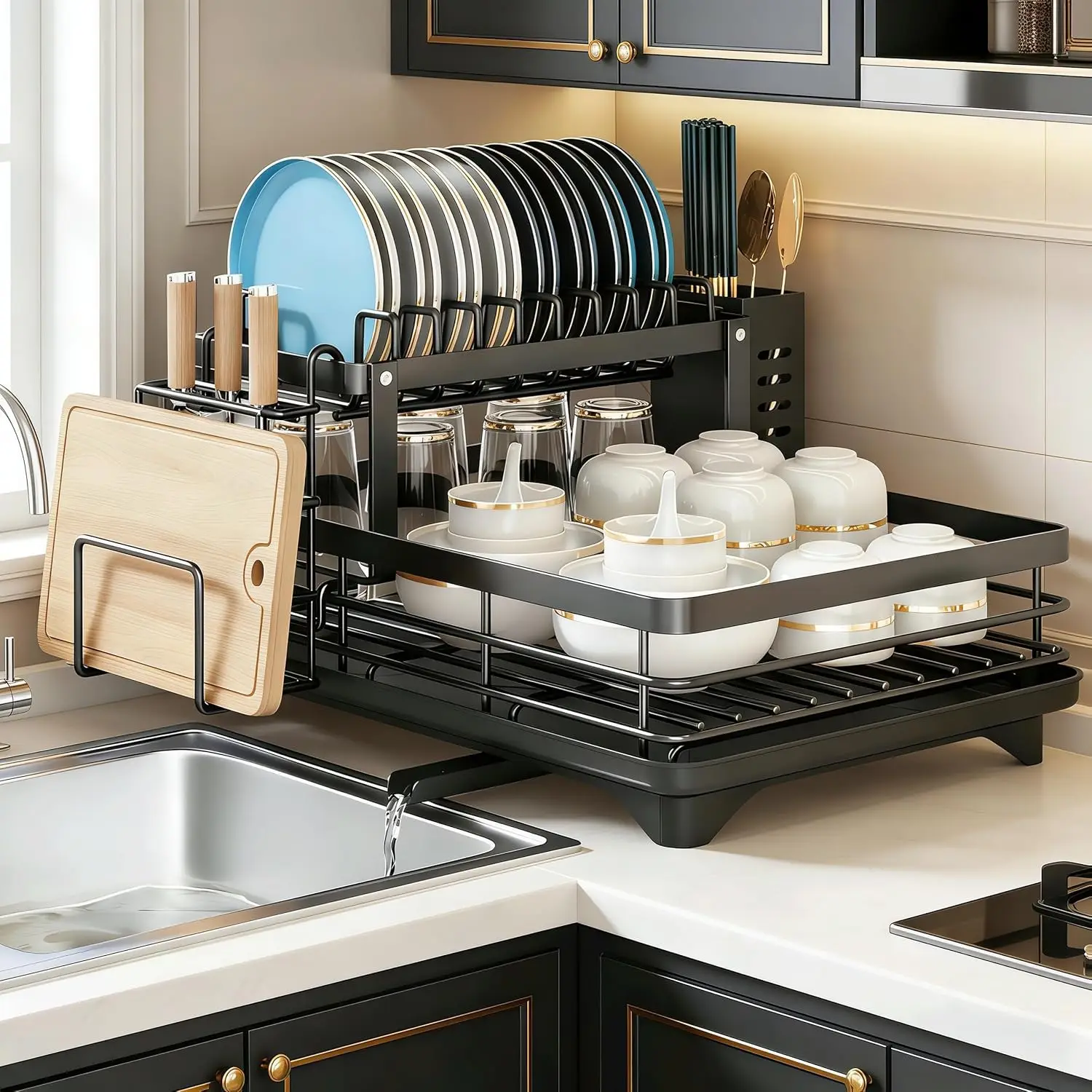
2-Tier Adjustable Kitchen Dish Drying Rack 360° Rotatable Drainage Tray Multi-Directional Spout Rust-Resistant Organizer
USD 70.46
USD 140.92
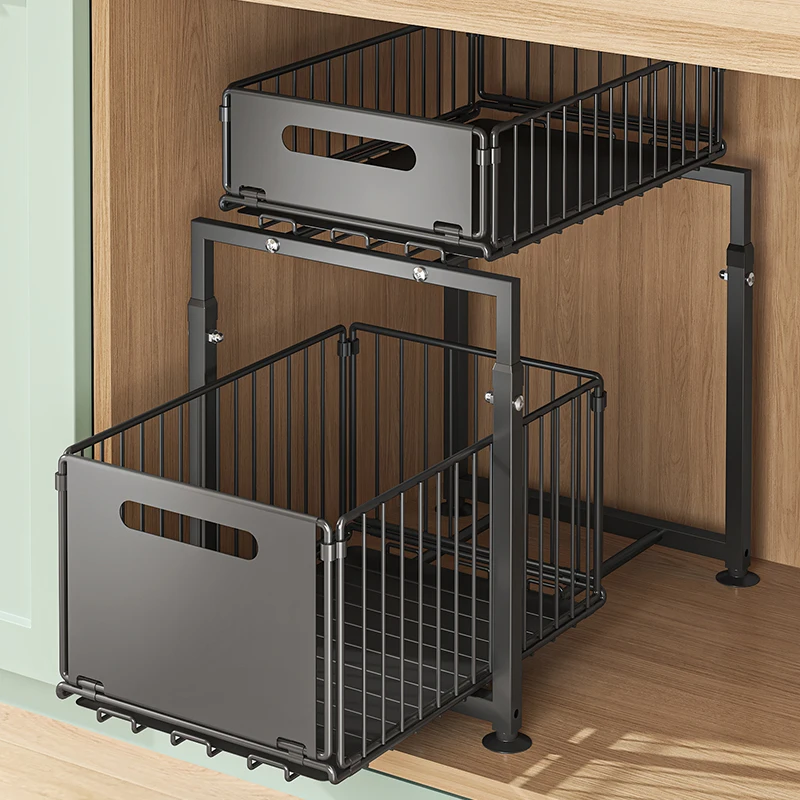
2-Tier Pull Out Cabinet Organizer, Under Sink Storage Shelf with Positioning Clips, Sliding Drawer Rack for Kitchen Bathroom,
USD 62.99
USD 125.97
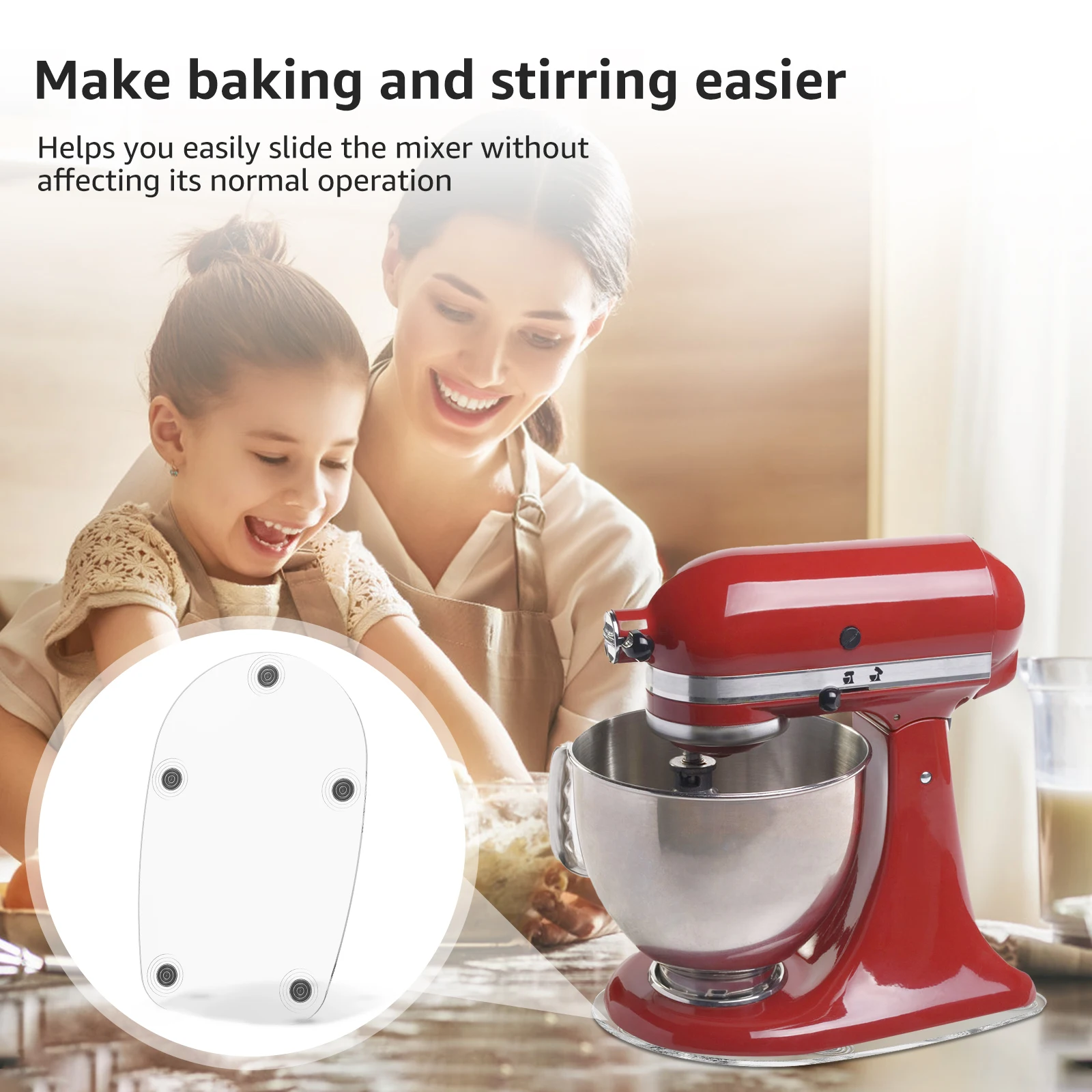
for 4.5 QT Tilt Head Stand Mixer Mixer Slider Mat Acrylic Mixer Mover Slider Pad Flexible Durable Kitchen Appliance
USD 16.35
USD 32.72

Cuisinart Belgian Waffle Maker, 2-in-1 Nonstick Pancake Plates, 4 Pockets
USD 116.95

Cuisinart PerfecTemp 1.7-Liter Electric Kettle, Cordless Electric Tea Kettle, 1500W for Fast Heat-Up, 6 Preset Temperatures, 30-Minute Keep Warm, Stay Cool Nonslip Handle, CPK-17P1 Stainless Steel PerfecTemp
USD 99.95
USD 129.95
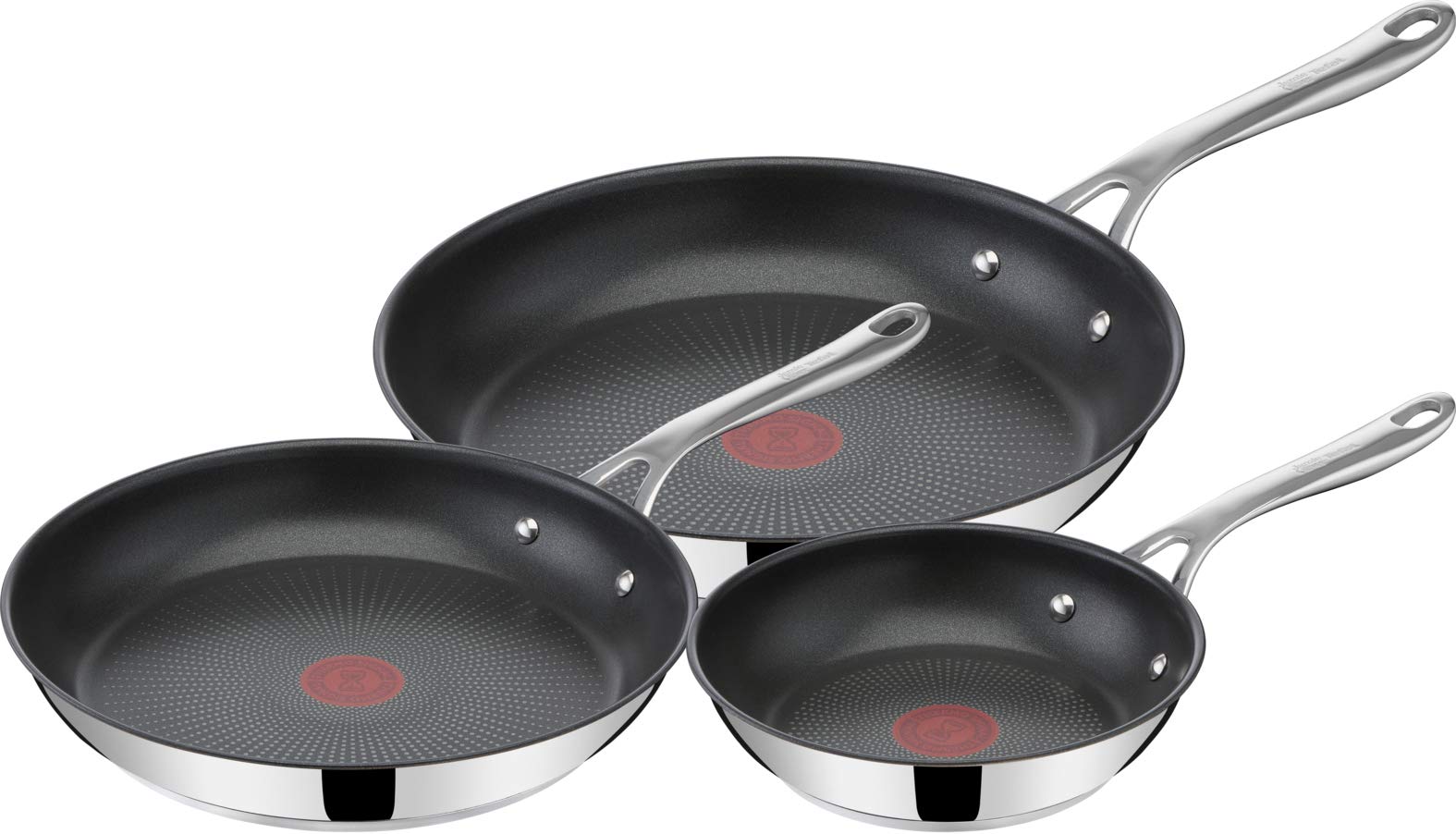
T-Fal Jamie Oliver Cooks Direct, Stainless Steel Non-stick Frying Pan 3 Pcs Set (20/24/28cm) (8/9/11 Inches) with Induction Nonstick Stainless Steel 3-Piece
USD 119.92

Cuisinart C77CR-10P 10pc Stainless Steel ColorCore™ Color Rivet Set with Blade Guards
USD 37.98
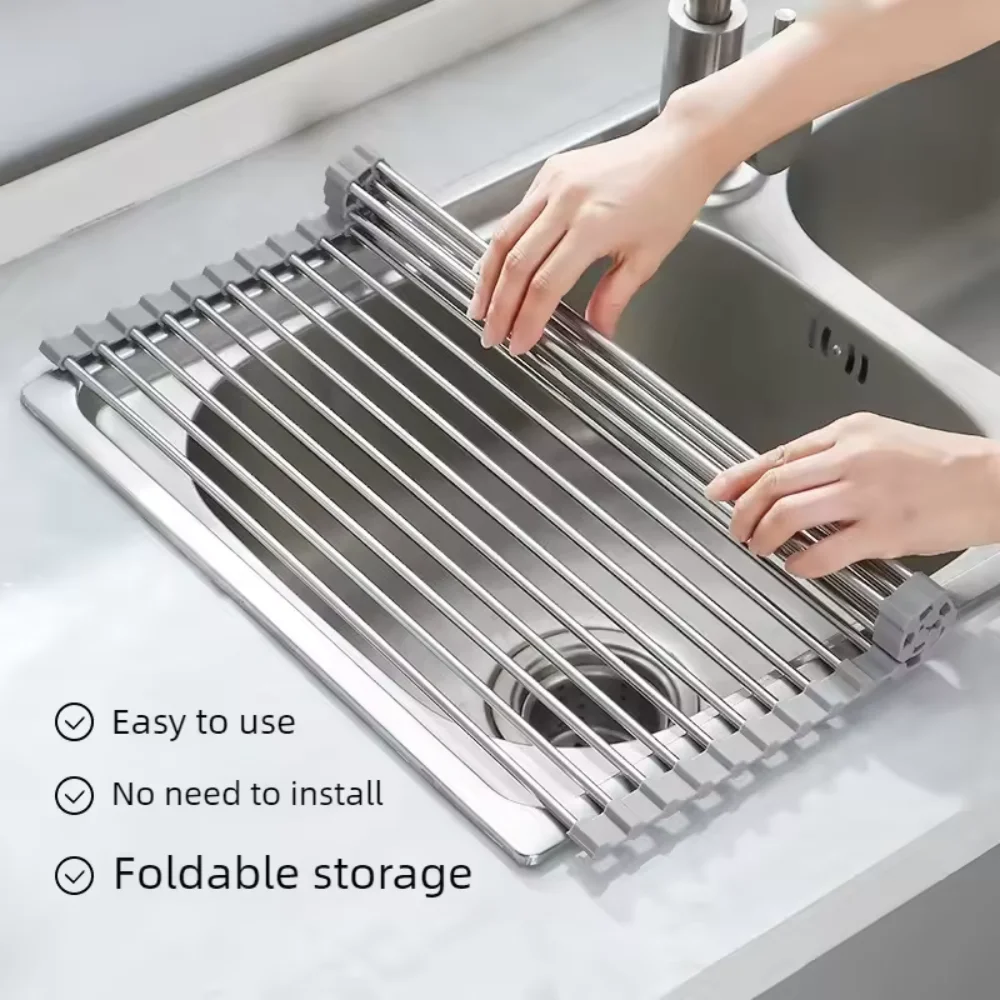
Rollable Foldable Stainless Steel Sink Drying Rack Kitchen Multifunctional Dish Drainer For Vegetable Fruit Storage
USD 10.51
USD 21.01
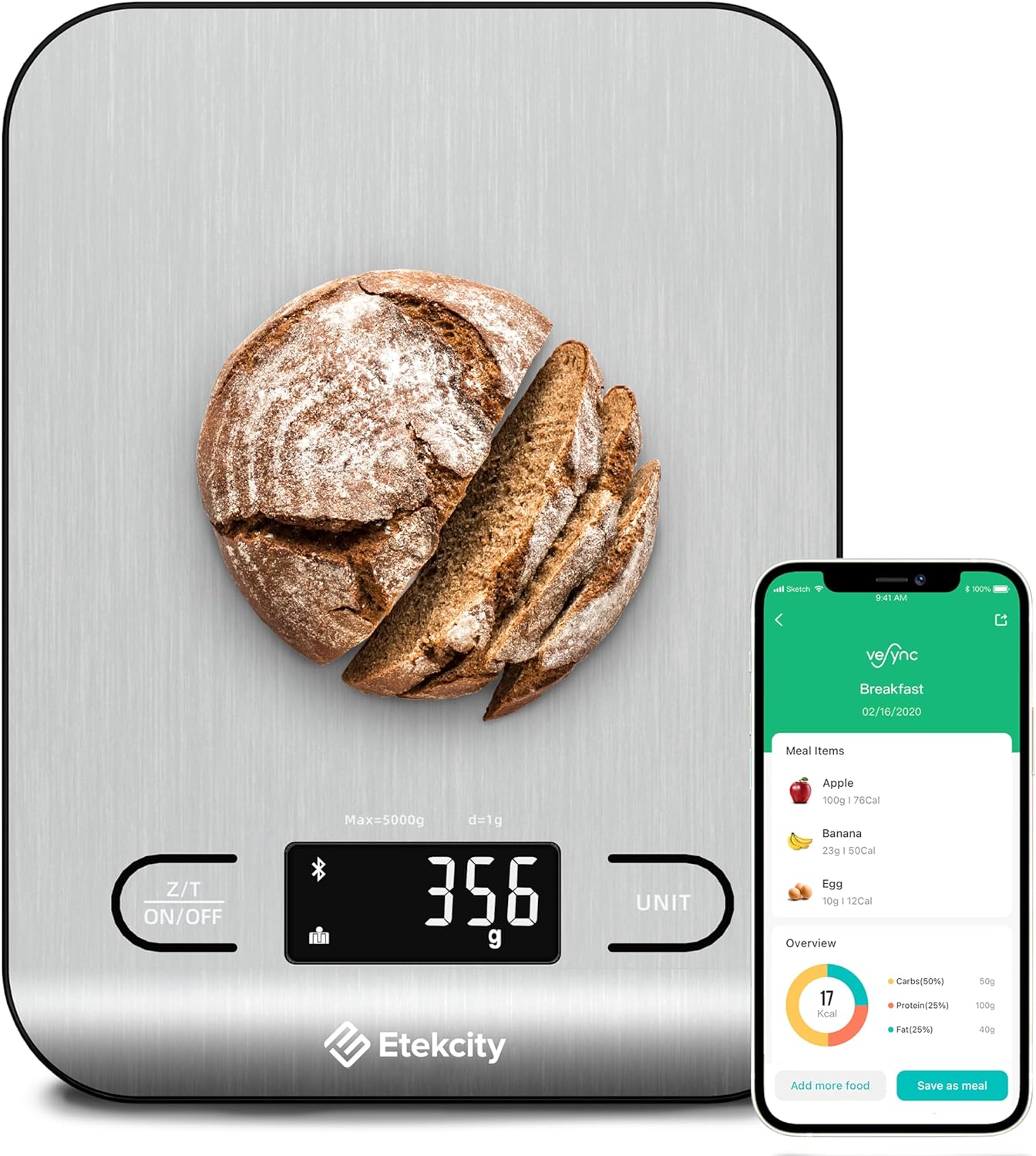
Etekcity Food Nutrition Scale, Digital Grams and Ounces, Large
USD 18.99

Etekcity 22lb Food Kitchen Scale, USB Rechargeable, IPX6 Waterproof
USD 29.99

Etekcity 22lb Food Kitchen Scale, USB Rechargeable, IPX6 Waterproof
USD 24.12