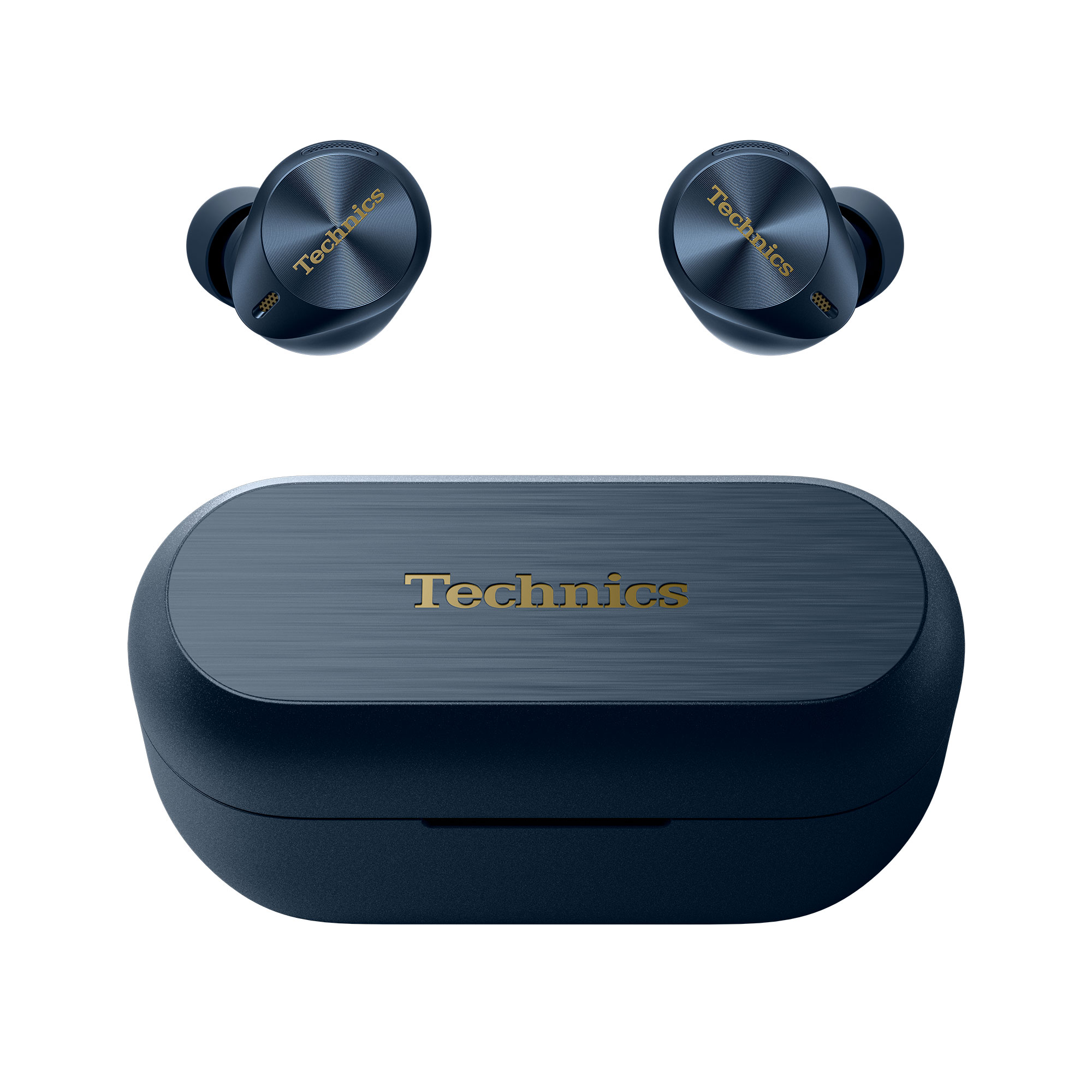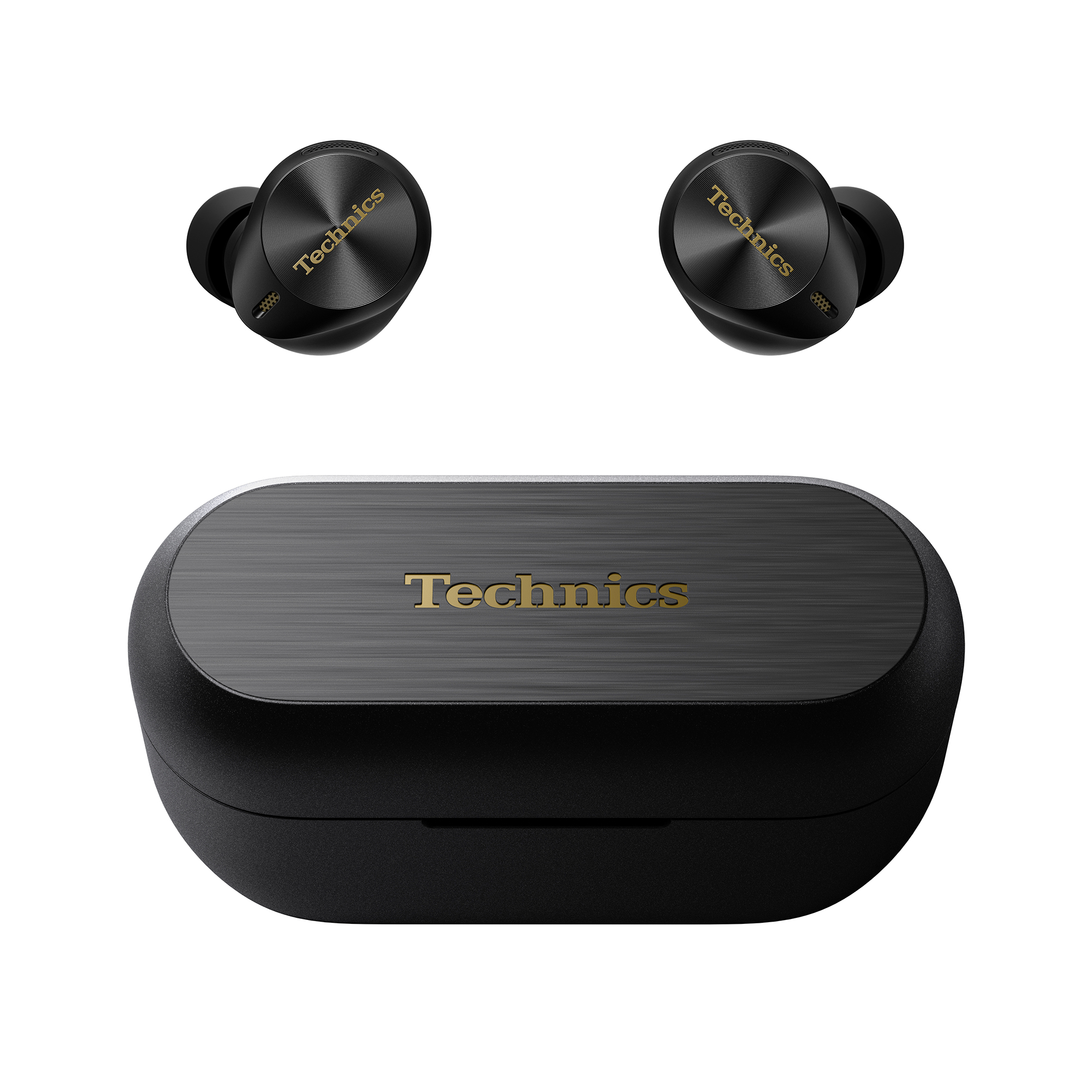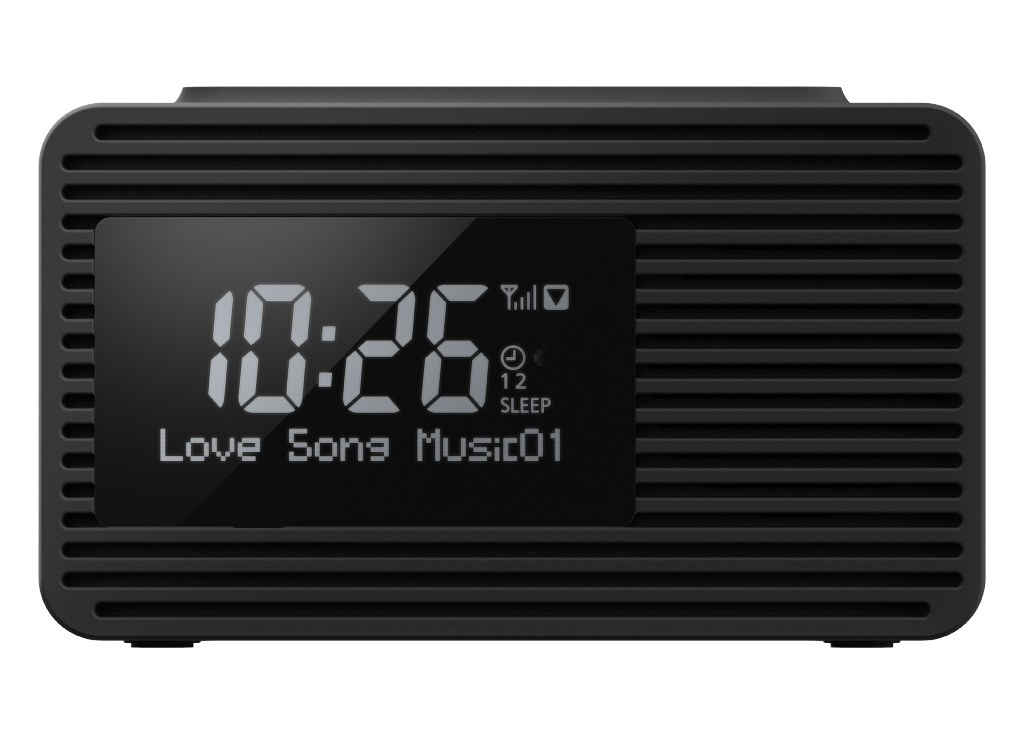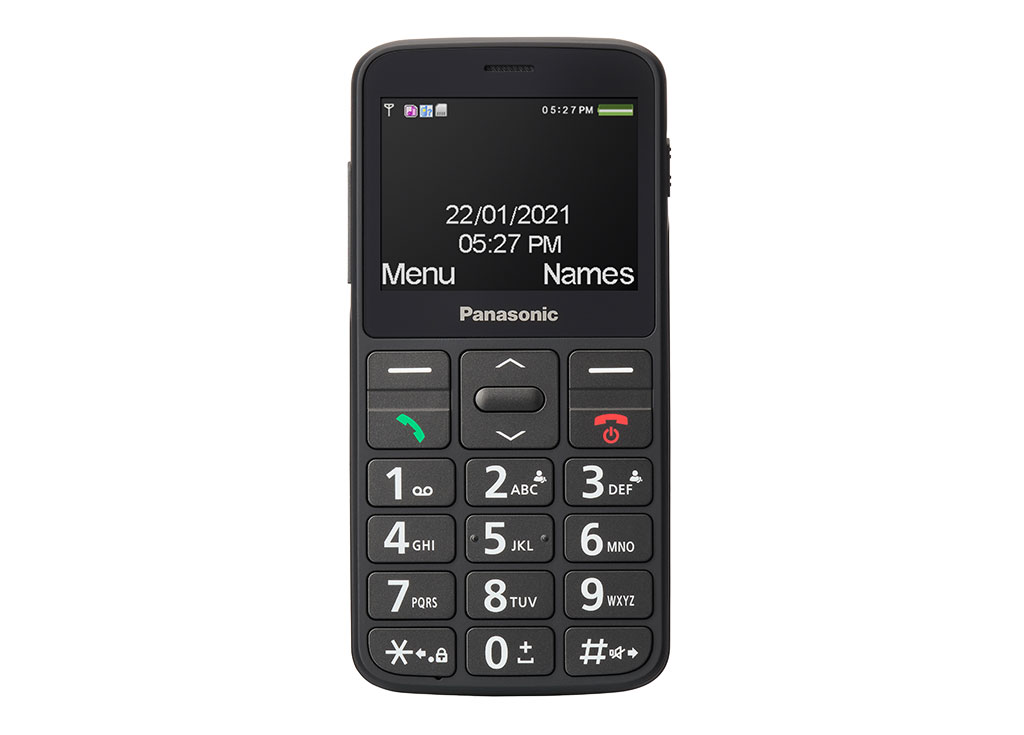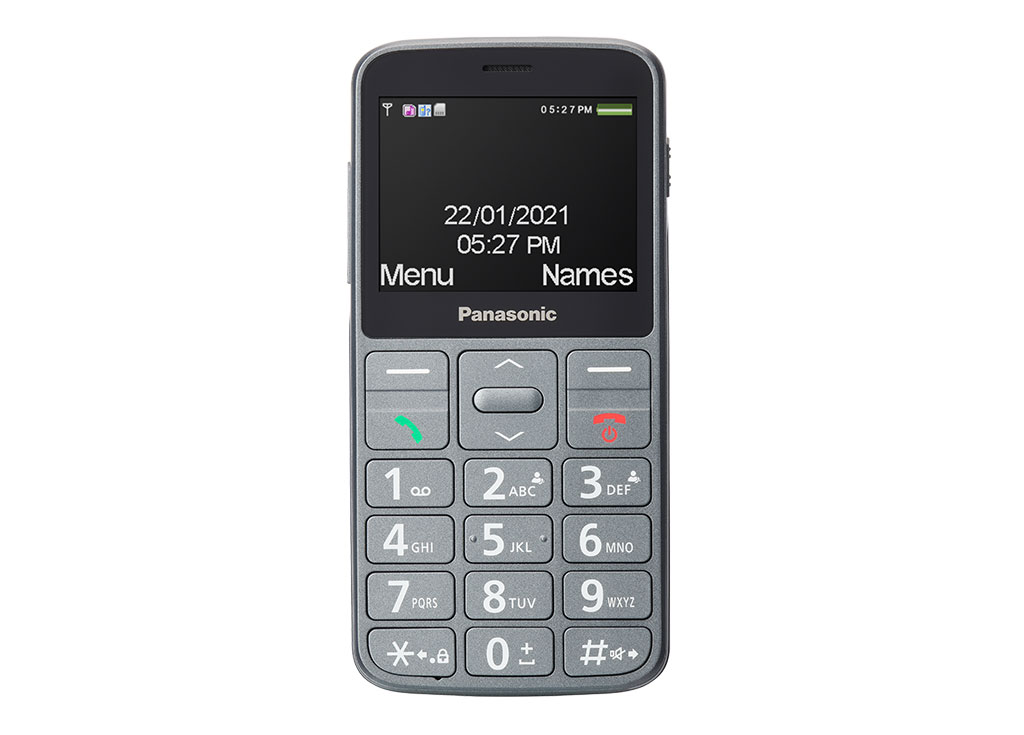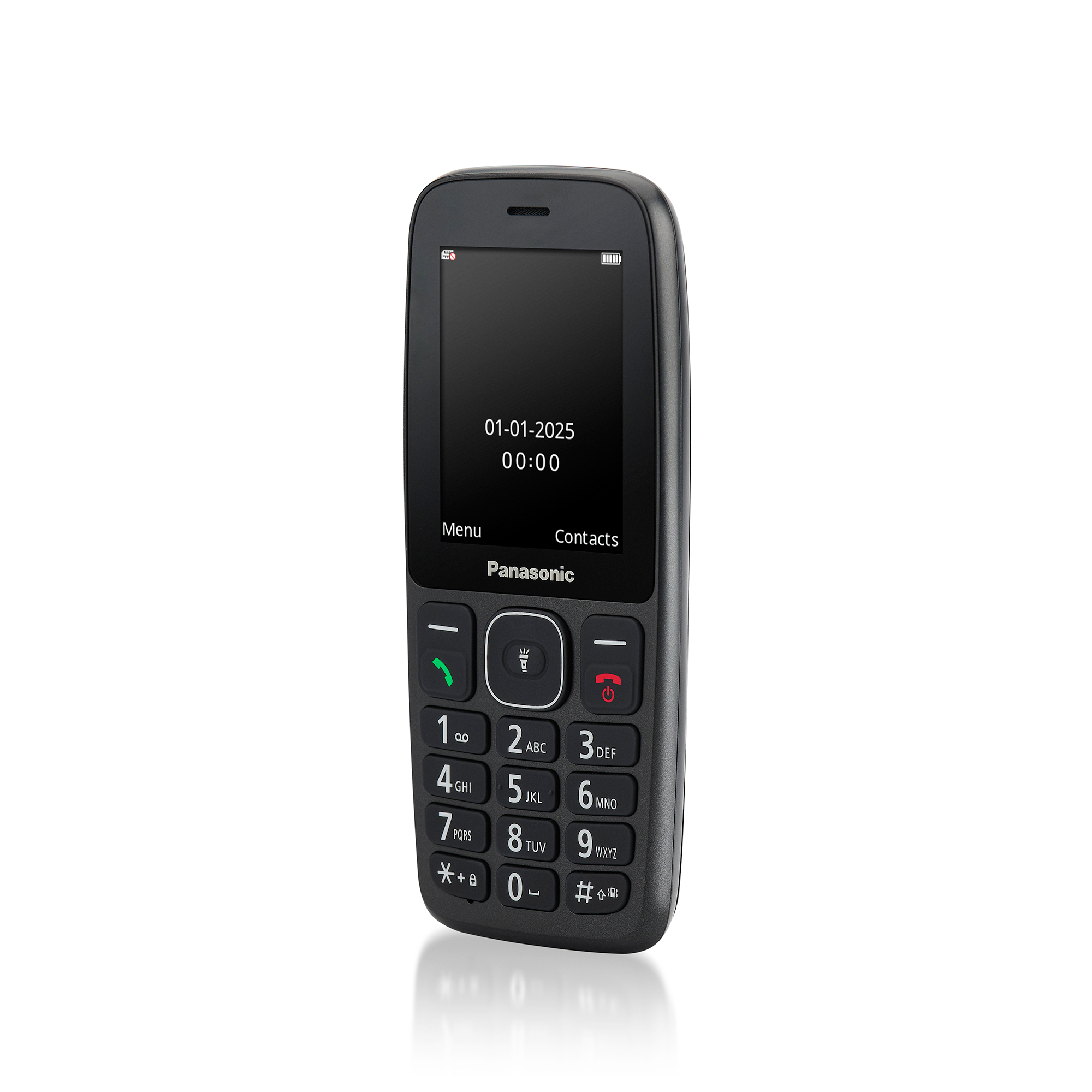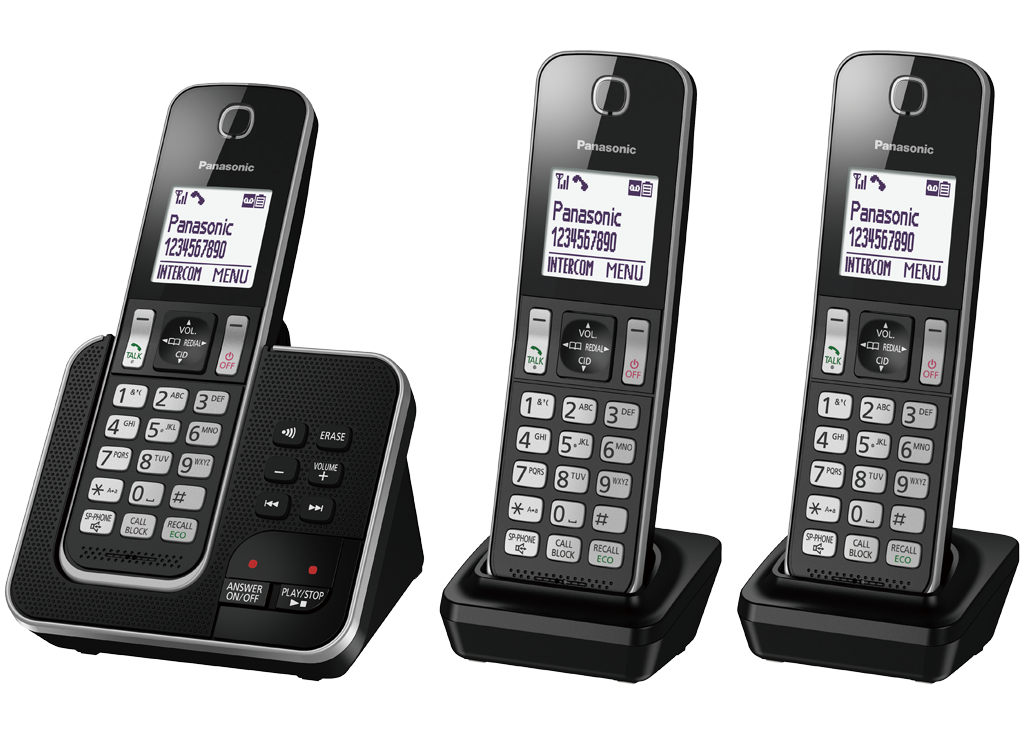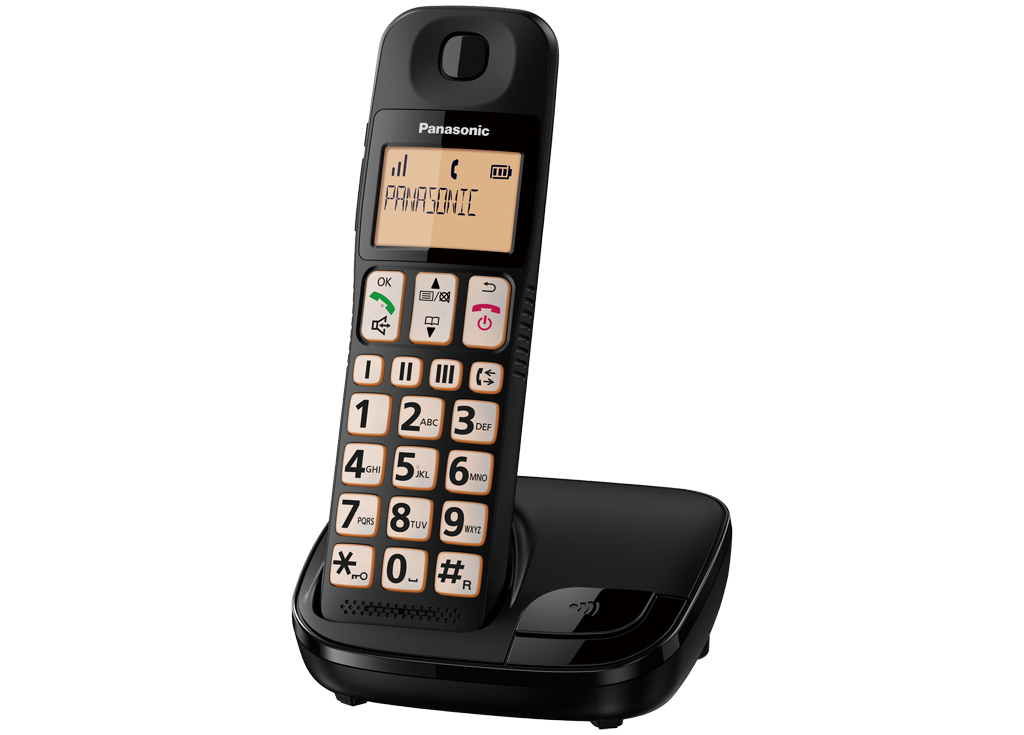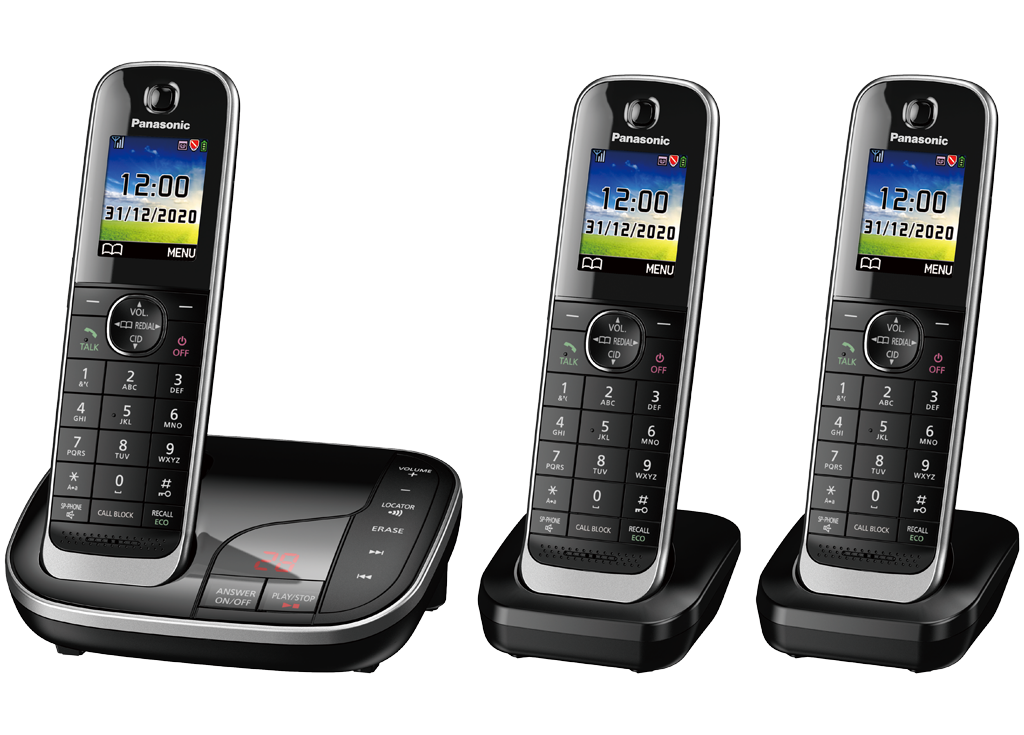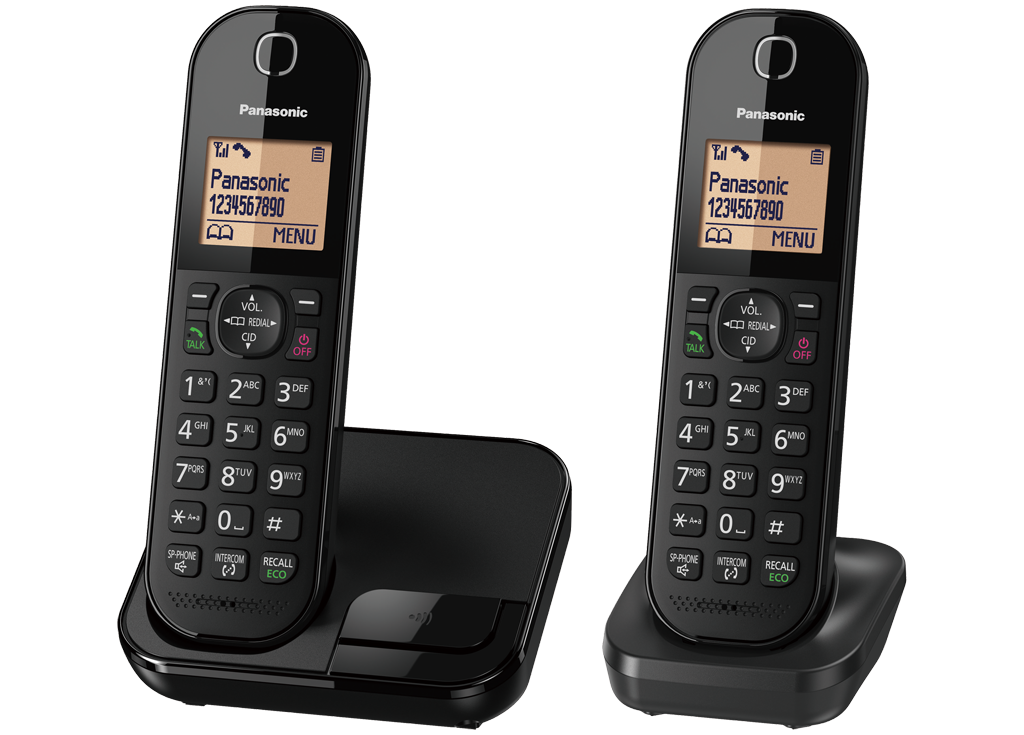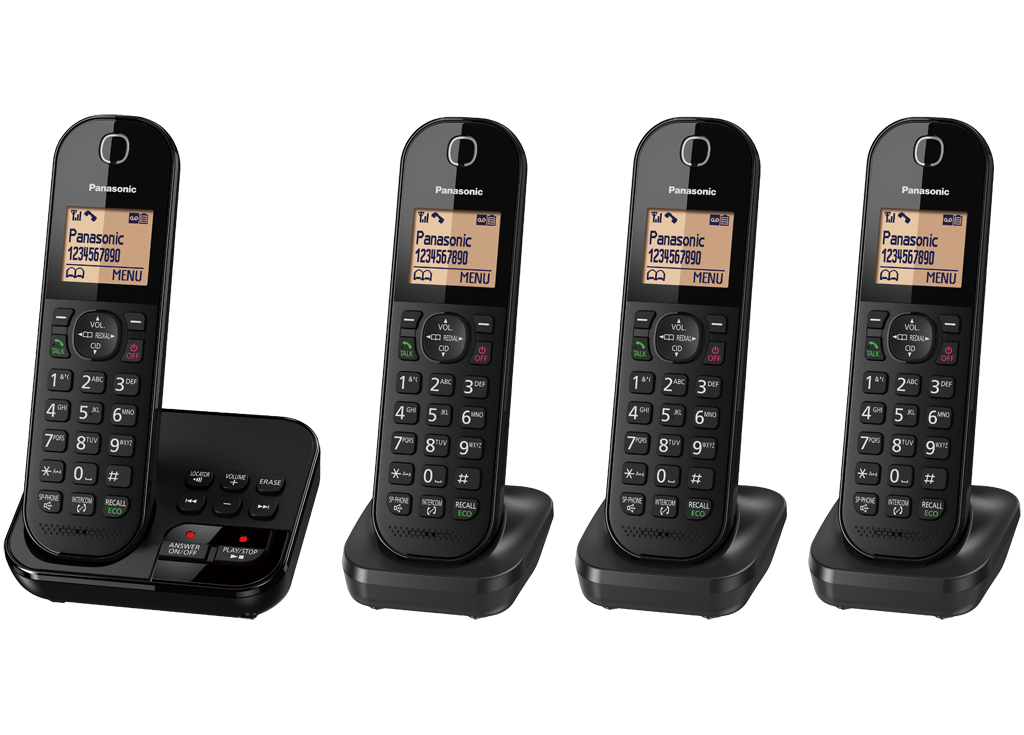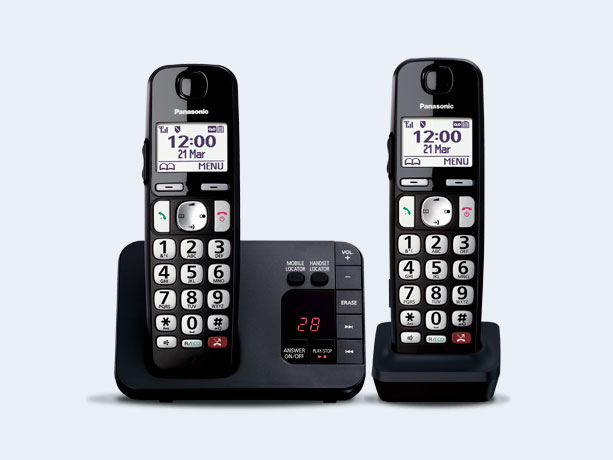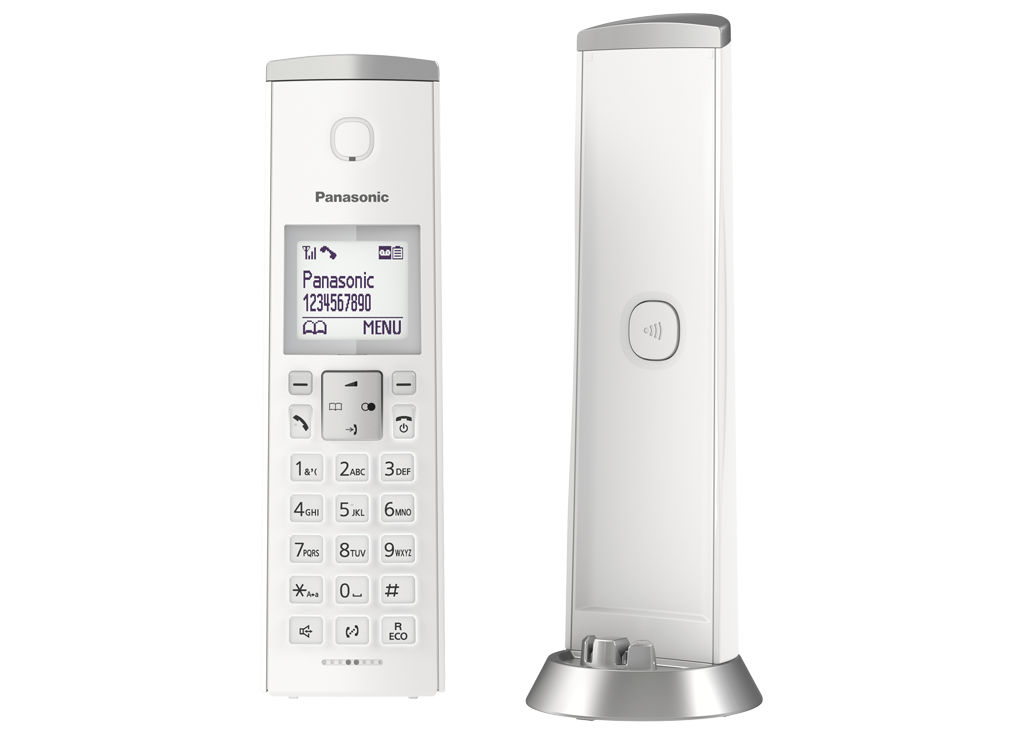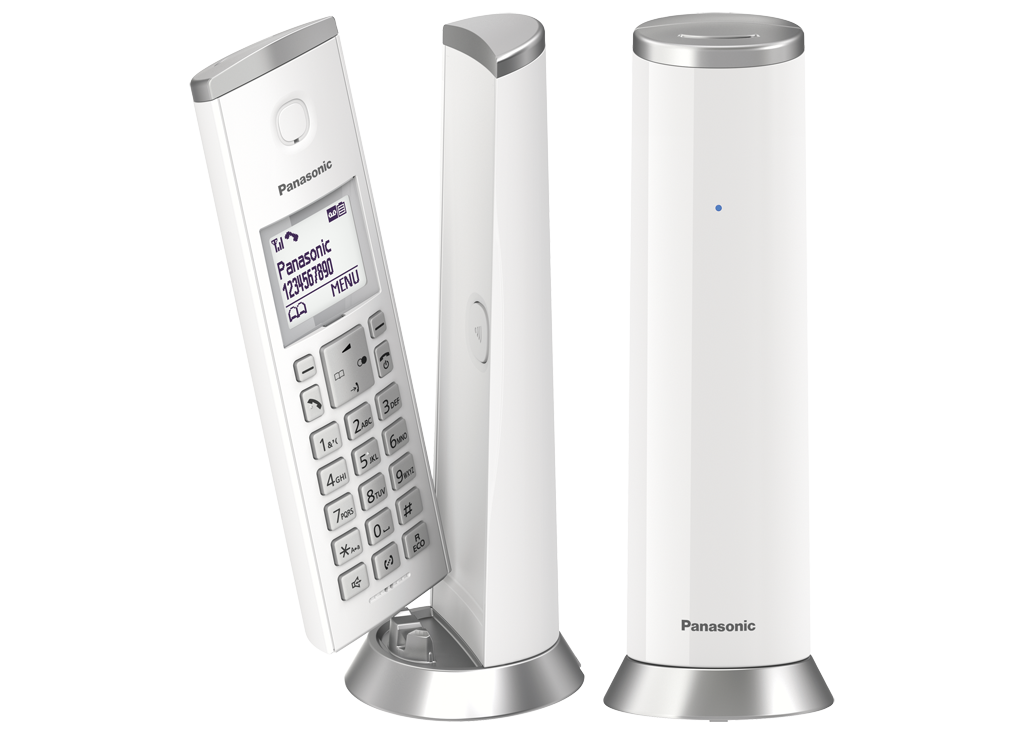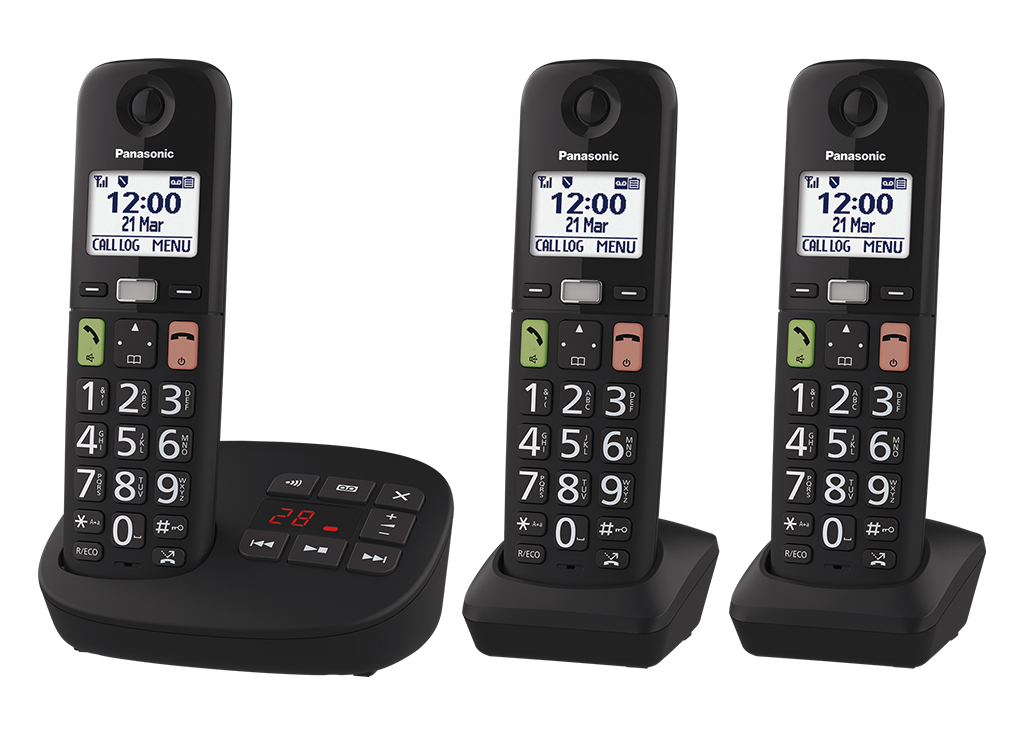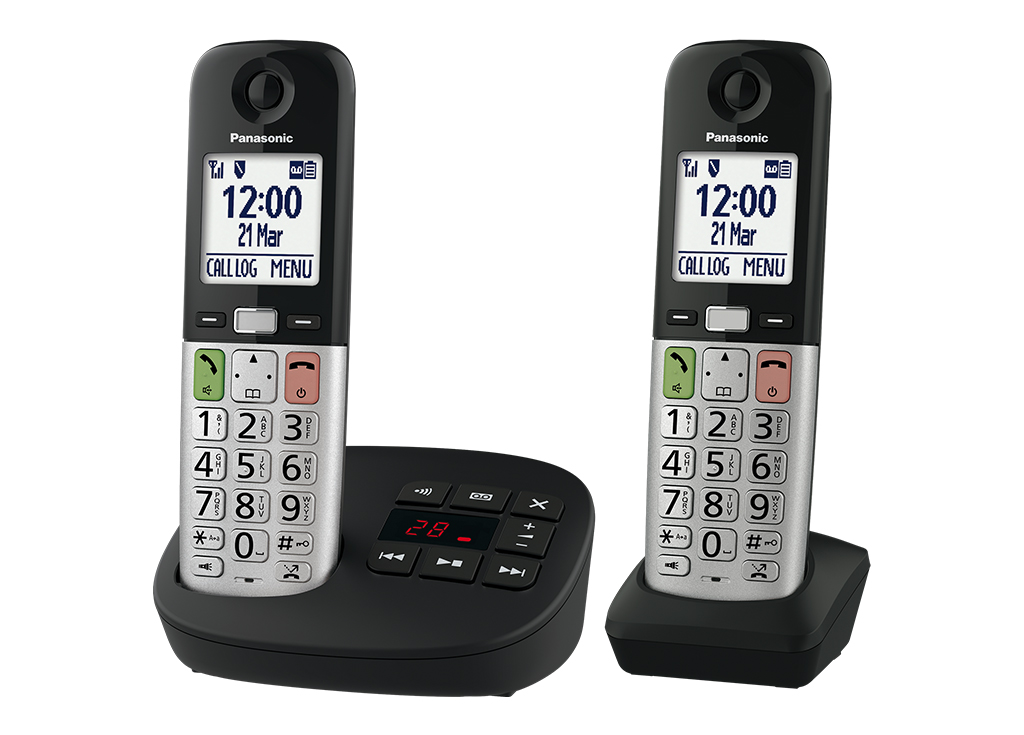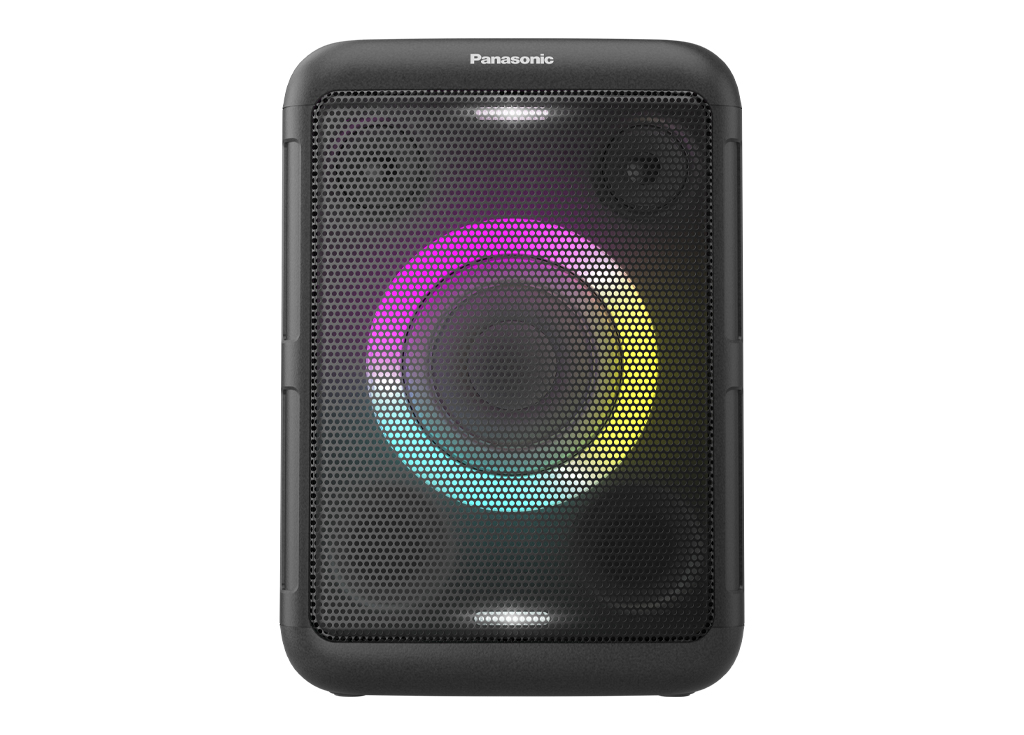
Compare prices on 68+ electronics - panasonic_uk products from verified listings
Looking for the best deals on electronics? Compare prices on smartphones, laptops, headphones, tablets, cameras, and tech gadgets from verified listings. Our smart price comparison helps you spot stronger prices faster, saving you time and money on every purchase.
Buying electronics online means more than picking the lowest sticker price. The smartest shoppers compare specs across retailers, watch for refurbished alternatives, and check warranty terms before purchase. A laptop that costs $50 less but ships from a seller with no return policy can quickly become the more expensive choice. NexaWeb shows you side-by-side prices from large retailers, resale marketplaces, and discount marketplaces so you can spot legitimate deals versus inflated 'sales' that match the regular price elsewhere. Pay close attention to model numbers — manufacturers often release near-identical variants for different markets, and a slightly older revision can be 30% cheaper without meaningful feature loss. For high-value items like smartphones and TVs, set a price alert and wait. Most categories cycle through major sales every 6–8 weeks (Prime Day, Black Friday, back-to-school, holiday season). Patience is one of the most underrated tools in tech buying.
Major price drops happen during major summer sales events (July), Black Friday and Cyber Monday (late November), Boxing Day (December 26), and back-to-school season (August). Mid-cycle drops also appear when manufacturers announce successors — last year's flagship phone or laptop typically falls 20–30% within two weeks of a new model launch.
For accessories (cables, chargers, phone cases, small gadgets) discount marketplaces is reliable and significantly cheaper. For high-value items like phones or laptops, stick with large retailers or resale marketplaces sellers with strong feedback and clear return policies. NexaWeb only lists products from established platforms with buyer protection.
Look for 'manufacturer refurbished' or 'certified refurbished' rather than seller-refurbished. These come with the original maker's testing and at least a 90-day warranty. Savings of 20–35% are common, and reliability is comparable to new for laptops, tablets, and game consoles.
Each retailer pays a different wholesale price, runs different promotions, and targets different audiences. Marketplace sellers (third-party) on large retailers and resale marketplaces also set their own prices independently. Comparing across sites — which is exactly what NexaWeb does — typically reveals price gaps of 10–40%.
For most consumer electronics under $500, extended warranties cost more than the average repair and aren't worth it. For premium laptops, OLED TVs, and high-end cameras, the math can work in your favor — especially if the device is used heavily or travels with you.
Electronics buying is a discipline that rewards patience and systematic comparison far more than intuition or brand loyalty alone. The category spans an enormous price range — from a $8 phone cable to a $3,000 laptop — and the quality signals are often invisible until after purchase. Understanding how to navigate this landscape means fewer costly mistakes and better long-term value from every purchase.
The most important principle in electronics shopping is to compare model numbers, not brand names. A Samsung Galaxy S24 and a Samsung Galaxy S24 FE share a brand and similar industrial design, but the internal specs, camera system, and processor differ significantly. The same applies to every major electronics category: laptop CPU generations, headphone driver size, TV panel technology, and speaker sensitivity ratings all matter more than the marketing headline. Before comparing prices, establish what specs you actually need for your use case, and only compare models that share those specs.
Refurbished electronics represent one of the strongest value opportunities in the entire category. Manufacturer-certified refurbished laptops, phones, and tablets typically sell for 20-35% below new price and come with the original manufacturer's warranty and testing certification. The catch is specificity: manufacturer-refurbished (graded A or A+) is meaningfully different from seller-refurbished, which has no standardized testing requirement. For devices you will use daily, manufacturer refurbished is almost always the smarter purchase.
Timing your purchase around new product launches is the second major lever. When a new smartphone generation launches, the previous model drops in price by 20-40% within four to eight weeks. This pattern holds for laptops, headphones, tablets, and TVs. The previous model typically runs the same software and handles the same daily tasks — it simply lacks a few incremental spec improvements that most users will never notice in real use. Watching the release calendar and waiting two months after a launch often delivers better value than buying either the new model at full price or the current price of the older model the day of the launch.
For high-value electronics like laptops and smartphones, the total cost of ownership matters as much as the purchase price. A laptop with a three-year warranty, easy upgradeable RAM and SSD, and widely available battery replacements can cost more upfront but deliver significantly better value over four to five years than a cheaper sealed unit that cannot be repaired. This is particularly true for students, professionals, and anyone who relies on the device for work. Read teardown reviews and repairability scores before making large electronics purchases.
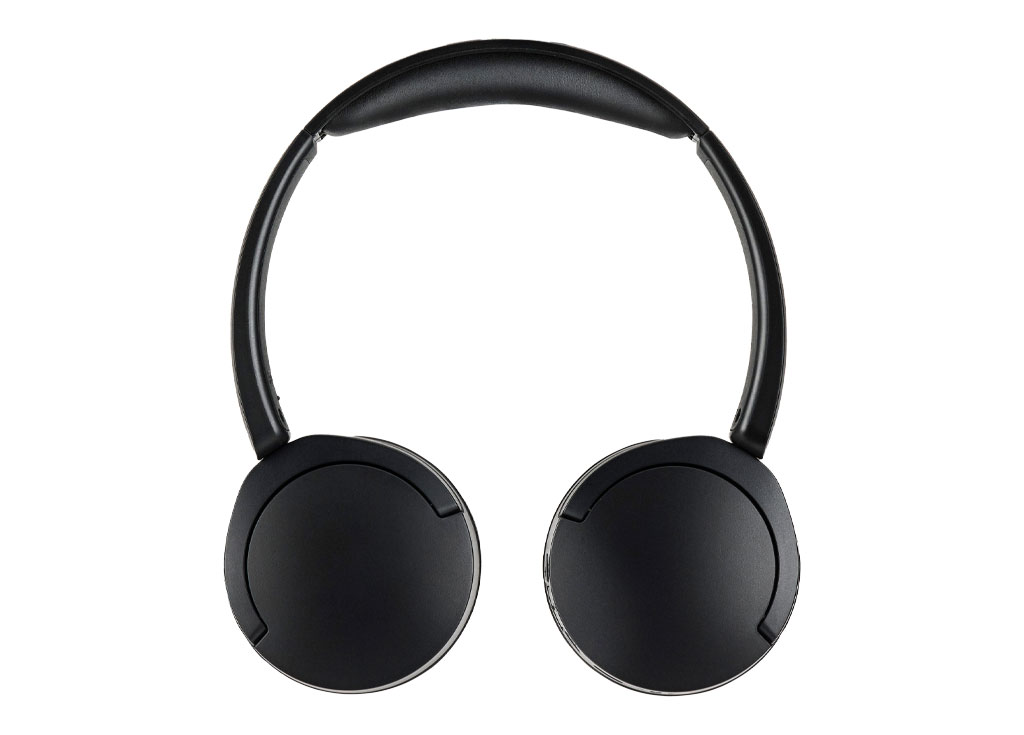
Audio electronics follow their own quality logic. Frequency response, driver size, and impedance ratings tell you more about headphone performance than brand or price. A $40 pair of headphones with a flat frequency response curve often sounds more accurate than a $150 pair tuned for bass boost. For speakers, sensitivity rating (dB/W/m) and impedance (ohms) determine how well the speaker matches an amplifier. For earbuds specifically, fit and seal quality affect perceived bass and noise isolation as much as the driver specifications.
Power and charging accessories are a category where quality directly affects safety. Cheap USB chargers and cables can deliver unstable voltage that damages devices over time or, in extreme cases, pose fire risks. For any device with a lithium battery, use chargers that meet recognized safety certifications (UL, CE, GS) and are rated for the device's charging protocol. The savings on a $4 charger are rarely worth the risk to a $800 laptop or phone.
Finally, use price history data before buying. Electronics often have misleading 'sale' prices based on an inflated reference price that was never actually charged. Checking price history over 90 days reveals whether a deal is genuine or manufactured. A product that has been at $299 for three months and is now 'on sale' for $289 is not a good deal. A product that dropped from $299 to $199 last week during a genuine event is. NexaWeb's comparison across multiple retailers makes these patterns easier to spot before you commit.
NexaWeb helps you find the best electronics - panasonic_uk prices by comparing current product listings in one place. With over 68 products in this category, you can scan real prices, ratings, and product details without opening dozens of tabs. Our smart comparison technology saves you hours of manual searching and helps you avoid overpaying.
Set up free price alerts to get notified when prices drop on your favorite electronics - panasonic_uk products. Browse our best electronics - panasonic_uk picks for expert recommendations, or check our buying guides for detailed advice.