🏆 Top List 2026

Best Headphones of 2026 – Top Rated & Price Compared

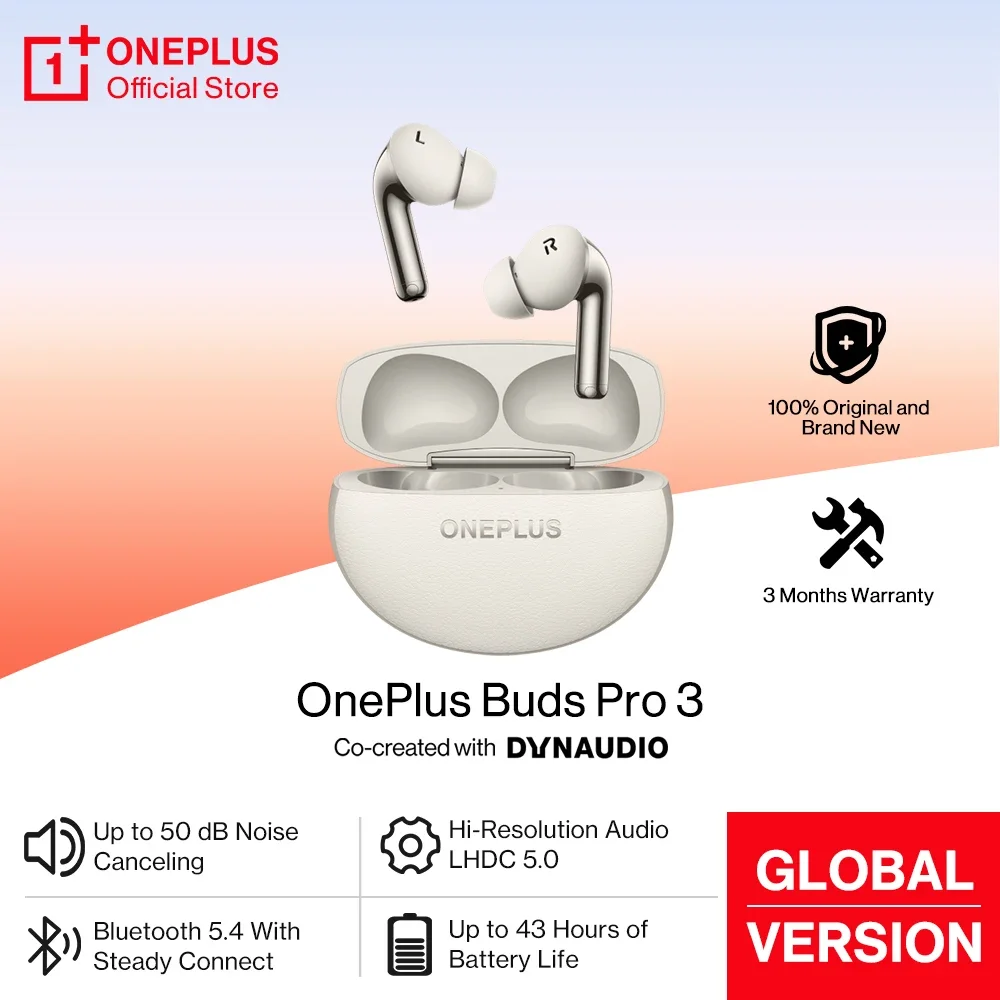
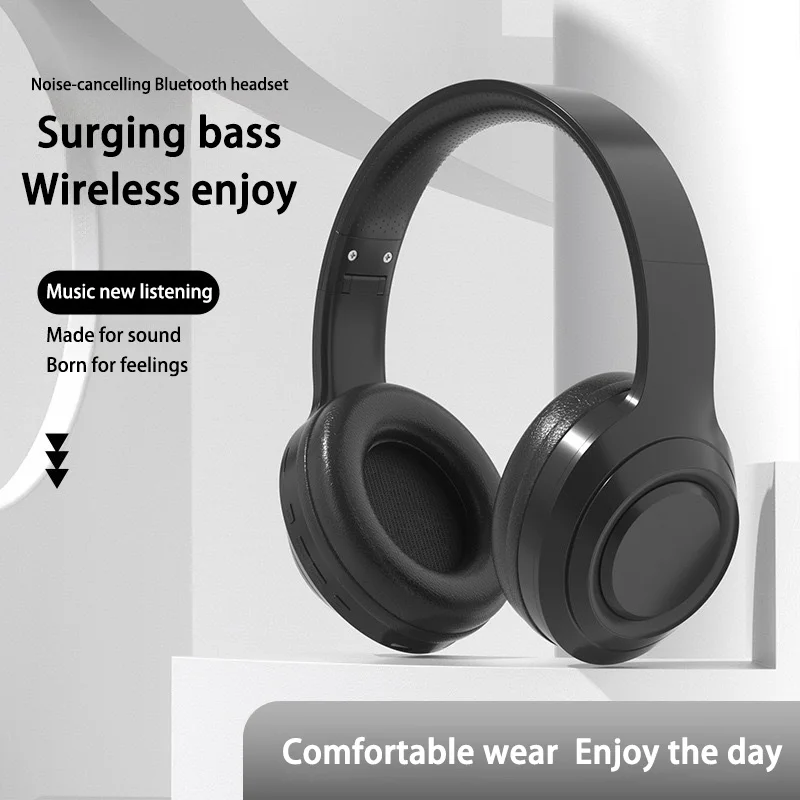
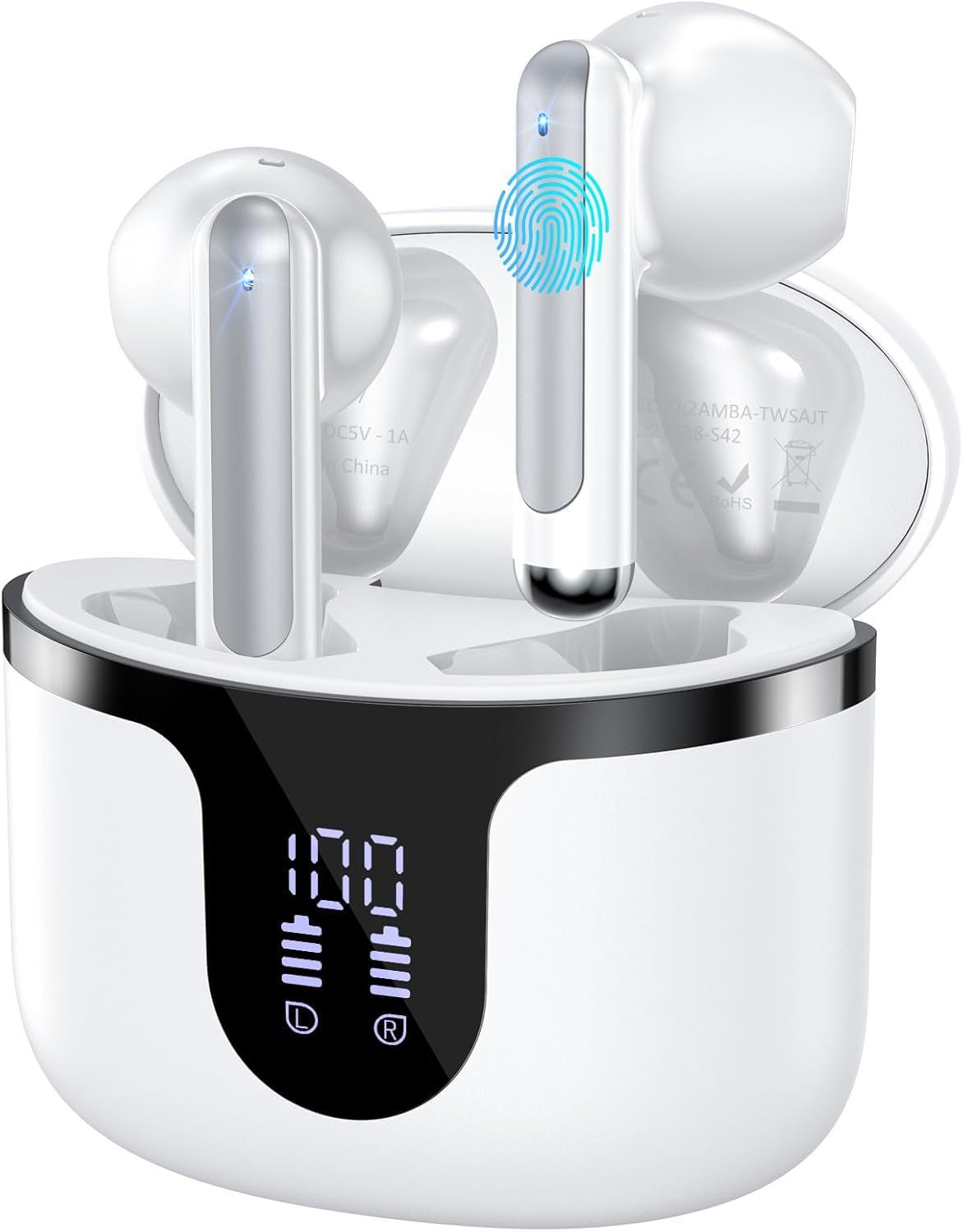
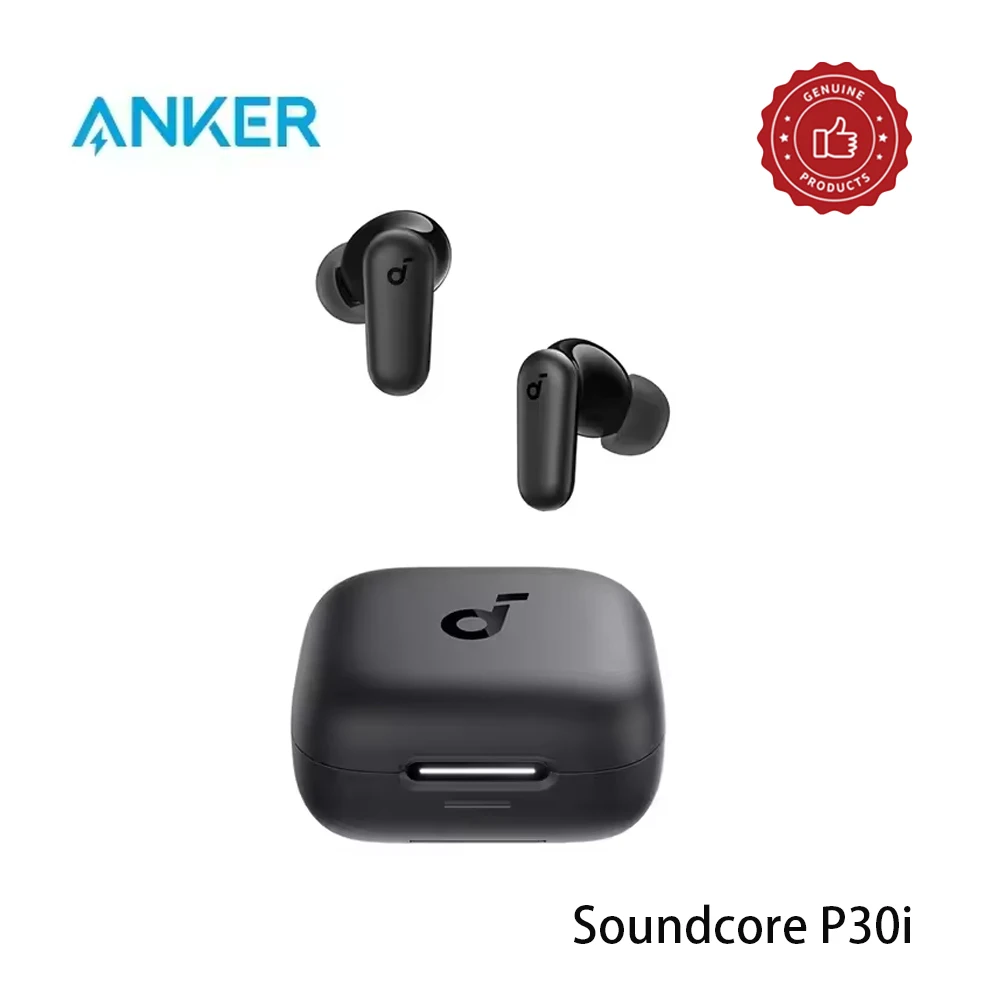
Whether you're a music lover, gamer, podcast enthusiast, or commuter, finding the right headphones makes all the difference. NexaWeb uses active product data, relevance, ratings, review volume, availability, and price signals to shortlist headphones worth comparing in 2026. From premium noise-cancelling over-ears to budget-friendly earbuds, this guide covers different budgets and use cases.

Last updated: September 16, 2026

Selection note: products are shortlisted from active listings and then compared by value-to-quality fit.

Our Top Picks

These picks give you a practical starting point, with current prices and direct product pages for closer comparison.

Read more buying notes for this top list

Types of Headphones Explained

Over-Ear Headphones — Full-size headphones that cover your entire ear. Best for sound quality, comfort during long sessions, and noise cancellation. Top picks: Sony WH-1000XM5, Bose QuietComfort Ultra.

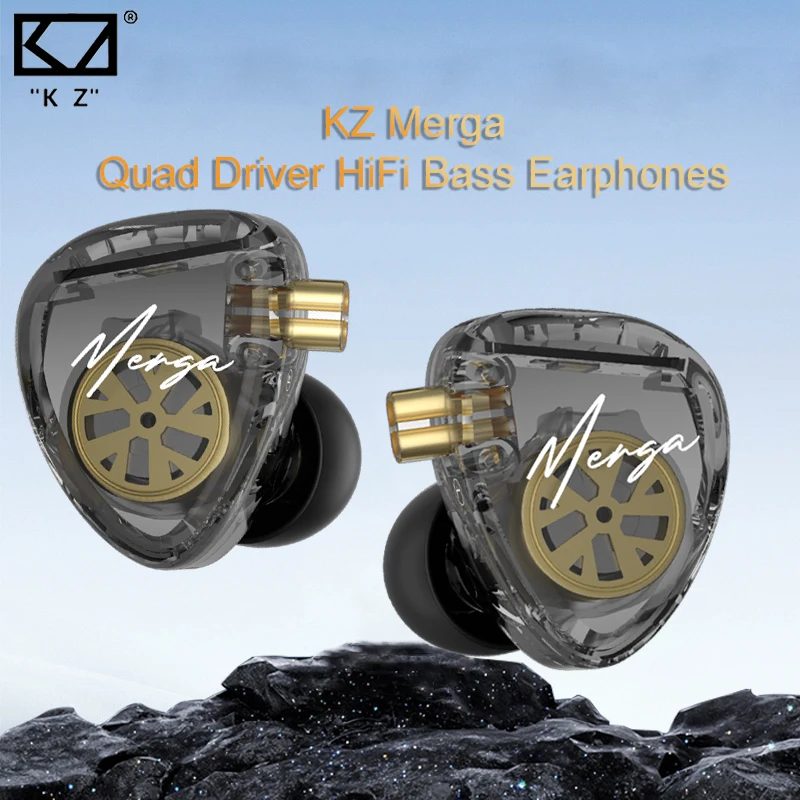
In-Ear / Earbuds — Compact and portable, perfect for commuting and exercise. True wireless earbuds have become incredibly popular. Top picks: Apple AirPods Pro, Sony WF-1000XM5.

On-Ear Headphones — Sit on top of your ears. More portable than over-ear but less isolating. A good middle ground.

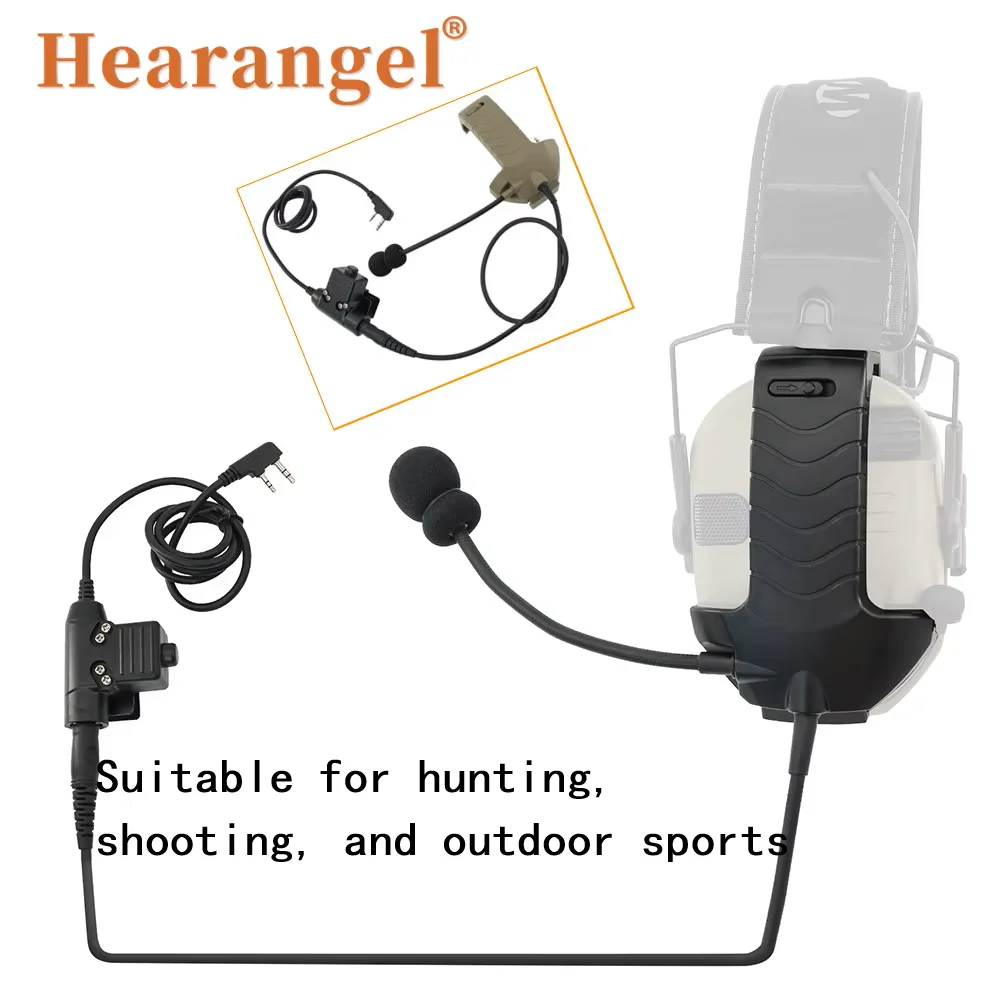
Gaming Headsets — Feature microphones and surround sound for gaming. Often include RGB lighting and specialized software.

What to Look for When Buying Headphones

Sound Quality — Look for balanced sound with clear highs, rich mids, and deep bass. Driver size matters: larger drivers (40mm+) generally produce better sound in over-ear models.

Noise Cancellation — Active Noise Cancellation (ANC) uses microphones and processing to block external noise. Essential for commuting, flying, or working in noisy environments. Sony and Bose lead in ANC technology.

Battery Life — For wireless headphones, battery life ranges from 6 hours (earbuds) to 30+ hours (over-ear). Consider your daily usage to choose the right fit.

Comfort — Weight, padding material, and clamping force all affect comfort. For long listening sessions, look for memory foam ear cushions and lightweight designs.

Price — Great headphones exist at every price point. Budget ($20-50), mid-range ($50-150), and premium ($150-400). NexaWeb helps you find the best price no matter your budget.

Frequently Asked Questions

What are the best headphones for noise cancelling?

The Sony WH-1000XM5 and Bose QuietComfort Ultra are widely considered the best noise-cancelling headphones in 2026. Both offer exceptional ANC with premium sound quality.

Are expensive headphones worth it?

Premium headphones ($150+) typically offer significantly better sound quality, comfort, and noise cancellation. However, great options exist at every price point. Use NexaWeb to find the best price.

What headphones do professionals use?

Audio professionals often use Sony MDR-7506, Audio-Technica ATH-M50x, or Beyerdynamic DT 770 Pro for their accurate, flat sound reproduction.

How long do wireless headphones last?

Modern wireless headphones offer 6-30+ hours of battery life per charge. Over-ear models typically last 20-30 hours, while earbuds last 6-10 hours with additional charges from the case.

Practical Buying Framework For This Top List

This top list is designed to reduce decision fatigue, but the best result comes from using it as a structured buying workflow. Start with your own priority: comfort, durability, performance, design, or strict budget. Then compare two to three products that match that priority. A "best" product in general may not be best for your specific use pattern, so this short comparison step is where most of the value appears.

Use this page in three passes. First pass: shortlist candidates from the top picks section. Second pass: check details that matter in real usage such as size, compatibility, feature limits, and included components. Third pass: compare current listings and choose based on total value, not just headline discount. This method is fast and reliable, and it helps avoid common mistakes caused by rushed decisions.

When reading product descriptions, focus on what can be verified. Look for concrete specifications and clear return/warranty terms. If a listing is vague about critical details, treat it as risk. Strong listings are transparent and easy to compare. Weak listings often look attractive but hide important trade-offs. For higher-cost products, support policy and review quality are just as important as listed price.

For quality validation, use review depth over review hype. Detailed reviews with context are usually more trustworthy than short generic comments. Prefer products with meaningful review volume and consistent signals over time. If multiple reviewers mention the same drawback, assume it is real and decide if that drawback is acceptable for your use case.

For price validation, compare like-for-like offers only. Different sellers may include different bundles, accessories, or shipping conditions. A lower number is not always a better deal if key items are missing. If your decision is close, keep one backup option from a different seller. This gives flexibility if stock changes or terms shift at checkout.

If you are unsure, pause and set a price alert. The right product at a fair price is better than the wrong product bought quickly. Many shoppers save more by waiting for clear deal signals than by jumping on the first promotion they see. This is especially true for popular categories where pricing moves frequently.

The core idea is simple: shortlist smartly, verify carefully, and buy intentionally. Follow that process and this top list becomes more than content to browse, it becomes a repeatable system for better purchase decisions and better long-term value.