Smartphone Buying Guide 2026 - Find Your Perfect Phone
This guide is maintained as decision support content and linked to live comparison inventory.
Choosing the Right Smartphone
A smartphone is one of the most important purchases you'll make this year. With new models launching constantly, it's hard to know which one offers the best value. This guide breaks down everything you need to know to find the perfect phone in 2026.
Key Features to Consider
1. Camera Quality
Modern smartphones are capable of stunning photography. Look for multiple lenses (wide, ultra-wide, telephoto), high megapixel counts, and features like night mode and optical image stabilization.
2. Battery Life
A battery capacity of 4,500mAh or more ensures all-day use. Fast charging (65W+) means you can top up quickly. Some phones also support wireless and reverse wireless charging.
3. Processor & Performance
Flagship processors from Qualcomm (Snapdragon 8 Gen series), Apple (A-series), and Samsung (Exynos) provide the best performance. For budget phones, look for Snapdragon 7-series or MediaTek Dimensity chips.
4. Display
AMOLED displays offer the best colors and contrast. A 120Hz refresh rate makes scrolling smoother. Look for at least Full HD+ resolution (1080p) and consider size based on your preference.
5. Storage & RAM
128GB is the minimum recommended storage. 8GB RAM is sufficient for most users. Power users should consider 256GB+ storage and 12GB+ RAM.
Budget Guide
| Budget | What to Expect |
|---|---|
| Under $200 | Basic features, acceptable camera, good for calls and messaging |
| $200 - $500 | Great cameras, good performance, 5G support |
| $500 - $900 | Flagship features, excellent cameras, fastest processors |
| $900+ | Ultra-premium, best-in-class everything, folding phones |
Save Money on Your Next Phone
Don't pay full retail price! Use NexaWeb to compare smartphone prices across Amazon, eBay, and AliExpress. You can often find the same phone for hundreds less. Set up price alerts to catch the best deals.
Top Picks - Compare Prices Now

USB Cable For FIFINE Studio Condenser USB Microphone Compute
$5.85
Sensor Lens Rubber Dust Blower Pen Camera Phone PC Laptop Cl
$7.69
Mobile Phone Tablet Portable MagicMount Power Bank Micro USB
$7.99
MICRO USB Power Bank Charging Portable External Battery Back
$7.99
All-in-one Photo Printer Multifunction Portable Printer for
$32.01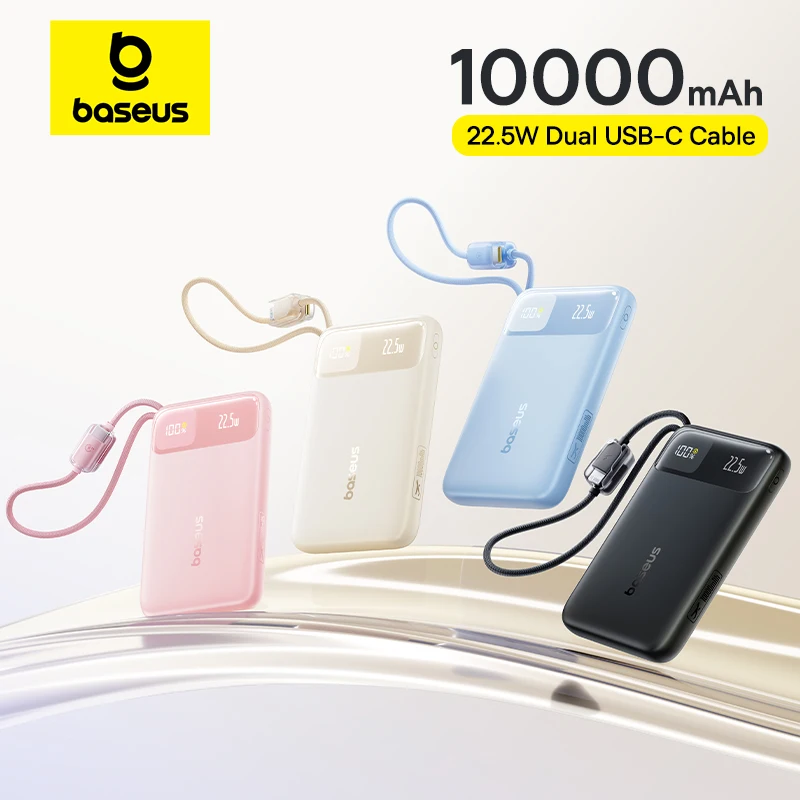
Baseus 10000mAh Power Bank 22.5W Built-In Dual USB-C Cable T
$35.99
Webcam with Microphone, 1080P HD Webcam Streaming Computer W
$14.95
USB Cable For Shure MV7 USB Podcast Mic. / Shure MV88+ Conde
$5.65Frequently Asked Questions
Related Guides & Pages
Best Electronics Products Browse Electronics Today's Deals All Buying Guides Set Price Alerts The Ultimate Headphones Buying Guide (20 Laptop Buying Guide 2026 - Find Your Per Smart Home Buying Guide - Best Devices & Complete Skincare Buying Guide & Routine Home Gym Buying Guide - Best Equipment &Decision Checklist Before You Buy
Before checkout, run a quick decision checklist. First, confirm this product solves your actual problem, not just an imagined one. Second, confirm it fits your constraints: size, compatibility, materials, and maintenance. Third, confirm your final cost including shipping, taxes, and any required add-ons. Fourth, confirm support conditions such as return windows and warranty. These four checks take only a few minutes and can prevent most post-purchase frustration.
Use this guide as context, then verify details on the product page. Guides explain what matters; listings confirm what you are getting right now. If details are inconsistent between title, bullets, and description, pause the purchase and compare with another listing. Better listing clarity usually means better post-purchase experience.
When comparing two close options, choose based on reliability signals rather than marketing extras. Look for stable review patterns, clearer specification depth, and stronger policy transparency. For many shoppers, the safest option is not the one with the most features; it is the one with fewer unknowns.
If you still feel uncertain, step back and apply the value-tier method again: budget, balanced, premium. Decide which tier matches your usage frequency and risk tolerance. Daily-use products usually justify higher quality. Occasional-use products often do not. This simple principle keeps spending aligned with real benefit.
A good purchase decision is rarely about finding a perfect product. It is about finding the best trade-off for your needs at a fair current price. With that mindset, you avoid impulse choices, reduce return rates, and build a shopping system that gets better each time you use it.